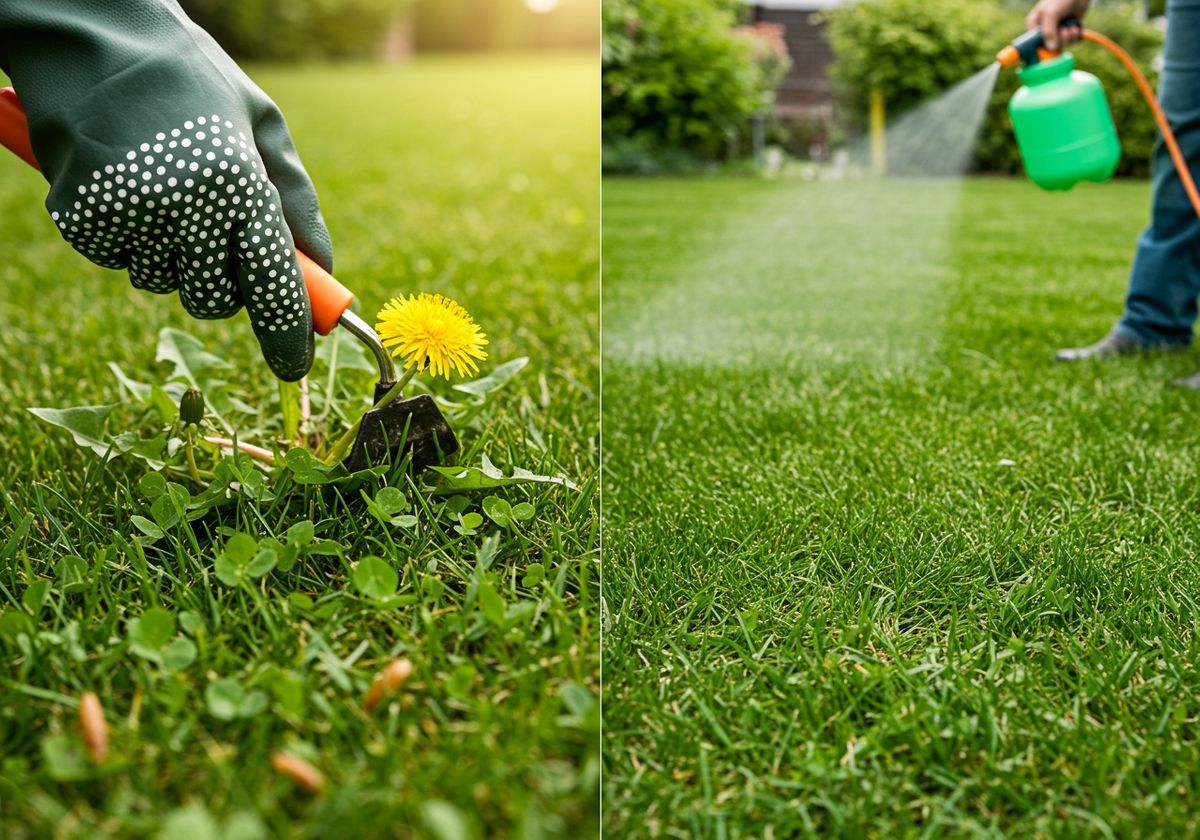
Taking pride in your lawn means ensuring it remains vibrant, healthy, and free from unwanted pests and weeds. Achieving this requires a strategic approach, combining the right knowledge with effective action. This guide provides essential insights and practical tips to help you combat common lawn invaders, keeping your green space in top condition.
Identifying Common Lawn Weeds
Before you can effectively tackle weeds, you need to know what you're up against. Common lawn weeds include dandelions, crabgrass, clover, and chickweed. Dandelions are easily recognizable with their bright yellow flowers and deep taproots. Crabgrass is a summer annual that forms dense clumps, while clover is a perennial weed that thrives in nitrogen-poor soils. Chickweed is a low-growing winter annual that prefers damp, shady areas. Correct identification is the first step in choosing the appropriate herbicide or weed killer for effective control.
Effective Weed Control Methods
There are several methods to control weeds in your lawn, each with its pros and cons. Manual removal is effective for small infestations but can be time-consuming. Herbicides offer a more efficient solution for larger areas. Pre-emergent herbicides prevent weed seeds from germinating, while post-emergent herbicides kill existing weeds. When using herbicides, always follow the manufacturer's instructions carefully to avoid damaging your grass and ensure the safety of people and pets. For persistent weeds, a second round-up application might be necessary.
Recognizing Common Lawn Bugs
Lawn bugs can cause significant damage to your grass if left unchecked. Common culprits include grubs, chinch bugs, sod webworms, and armyworms. Grubs feed on grass roots, causing brown patches to appear. Chinch bugs suck plant sap, leading to yellowing and eventual death of the grass. Sod webworms and armyworms feed on grass blades, leaving behind unsightly damage. Regularly inspect your lawn for signs of infestation, such as unusual browning or increased bird activity, which can indicate the presence of grubs.
Strategies for Bug Control
Controlling lawn bugs requires a proactive approach. Start by maintaining a healthy lawn through proper watering, fertilization, and mowing practices. Healthy grass is more resistant to pest infestations. Insecticides can be used to control bug populations, but it's important to choose the right product for the specific pest. Systemic insecticides are absorbed by the plant and kill bugs as they feed, while contact insecticides kill bugs on contact. Always follow the label instructions and consider using organic or natural options when possible. Regular application of pesticide may be required to keep infestations at bay.
Preventing Future Infestations
Prevention is key to maintaining a weed- and bug-free lawn. Proper lawn care practices, such as regular mowing, watering, and fertilization, can help prevent weeds and bugs from taking hold. Overseeding bare spots can prevent weeds from germinating, while aerating your lawn can improve drainage and reduce the risk of fungal diseases that attract pests. Additionally, consider using a pre-emergent herbicide in the spring to prevent weed seeds from germinating and applying a preventative insecticide to control grub populations.
Taking care of your lawn requires dedication and the right approach. By identifying common weeds and bugs, implementing effective control methods, and focusing on prevention, you can achieve a healthy, vibrant lawn that enhances your property's beauty and value.
Since 1983, TLC Total Lawn Care has been committed to providing landscapes that mean business through superior commercial lawn care maintenance, landscapes, and horticultural services. Our custom-tailored maintenance programs are designed to meet your specific needs and budget, ensuring your lawn always looks its best. Discover how TLC Total Lawn Care can help you achieve a pristine, professional landscape. Contact us today to learn more or schedule a consultation!