Battling Lawn Pests: A Homeowner's Guide for 2025
Maintaining a healthy and vibrant lawn requires vigilance, especially when it comes to pest control. As we approach 2025, understanding the common lawn pests in North Florida and implementing effective strategies to manage them is crucial for homeowners. This guide provides you with essential information to protect your lawn and keep it thriving.
Common Lawn Pests in North Florida
Identifying the enemy is the first step in any battle. Here are some prevalent lawn pests in our region:
Chinch Bugs: These tiny insects suck the sap from grass blades, causing yellowish or brownish patches. They thrive in hot, dry conditions.
Sod Webworms: The larvae of lawn moths, sod webworms, feed on grass blades and create irregular brown spots. You might notice increased moth activity in the evening.
Armyworms: These caterpillars can quickly devastate lawns by consuming large amounts of grass. They often appear in late summer and fall.
Grubs: The larvae of beetles, grubs feed on grass roots, leading to wilted, thinning patches. You might also see increased animal activity, such as birds or raccoons digging for grubs.
Mole Crickets: These pests tunnel through the soil, disrupting roots and causing brown patches. They are most active at night.
Identifying Pest Damage
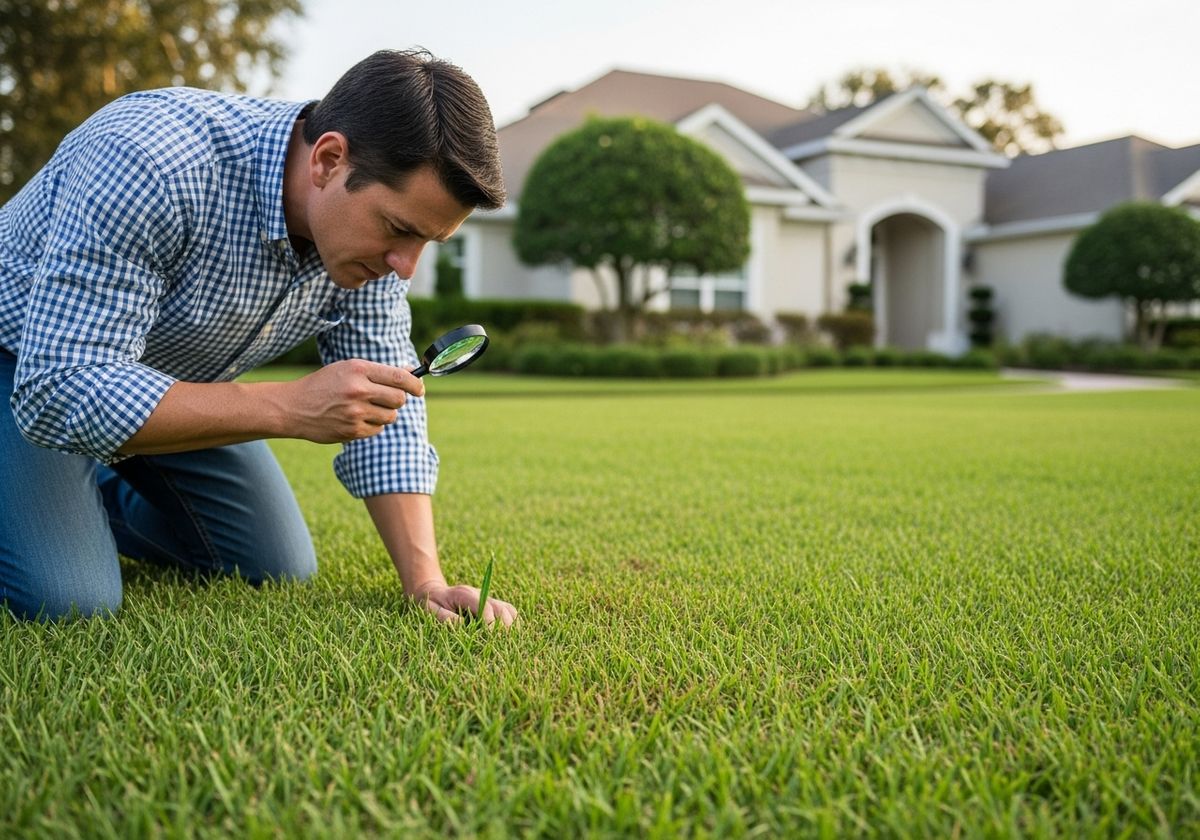
Early detection is key to preventing extensive damage. Look for these signs:
Discolored Patches: Yellow, brown, or dead spots in your lawn.
Thinning Grass: Areas where the grass is sparse or easily pulled up.
Increased Pest Activity: Visible insects, moths, or tunneling.
Animal Activity: Birds, raccoons, or other animals digging in your lawn.
Natural Pest Control Methods
For homeowners who prefer eco-friendly solutions, consider these options:
Beneficial Nematodes: These microscopic worms parasitize and kill many common lawn pests.
Diatomaceous Earth: This natural powder can be sprinkled on your lawn to dehydrate and kill insects.
Neem Oil: A natural insecticide that disrupts the growth and reproduction of pests.
Proper Lawn Care: Maintaining a healthy lawn through proper watering, fertilization, and mowing can make it less susceptible to pests.
Chemical Pest Control Methods
When natural methods aren't enough, chemical treatments may be necessary. Always follow the manufacturer's instructions and safety precautions.
Granular Insecticides: These are spread over the lawn and watered in to kill pests in the soil.
Liquid Insecticides: These are sprayed onto the lawn to target pests on the surface.
Systemic Insecticides: These are absorbed by the grass and kill pests that feed on it.
Preventative Measures
Prevention is always better than cure. Implement these strategies to minimize the risk of pest infestations:
Maintain a Healthy Lawn: Proper watering, fertilization, and mowing practices promote strong, healthy grass that is more resistant to pests.
Aerate Your Lawn: Aeration improves soil drainage and reduces thatch buildup, making it less attractive to pests.
Remove Thatch: Thatch provides a breeding ground for pests. Dethatch your lawn regularly.
Monitor Your Lawn: Regularly inspect your lawn for signs of pest activity and address any issues promptly.
Conclusion
Staying ahead of lawn pests requires consistent effort and the right knowledge. By understanding the common pests in North Florida, recognizing the signs of damage, and implementing effective control and prevention strategies, you can maintain a healthy and beautiful lawn. Remember, a well-maintained lawn not only enhances your property's curb appeal but also contributes to a healthier environment. If you're looking for professional assistance in maintaining your landscape, remember that TLC Total Lawn Care has been providing profitable landscape solutions for customers in North Florida since 1983. We offer customizable packages tailored to your business's specific requirements and budget. Contact us today to learn more about how we can help you achieve the lawn of your dreams and explore our service options.