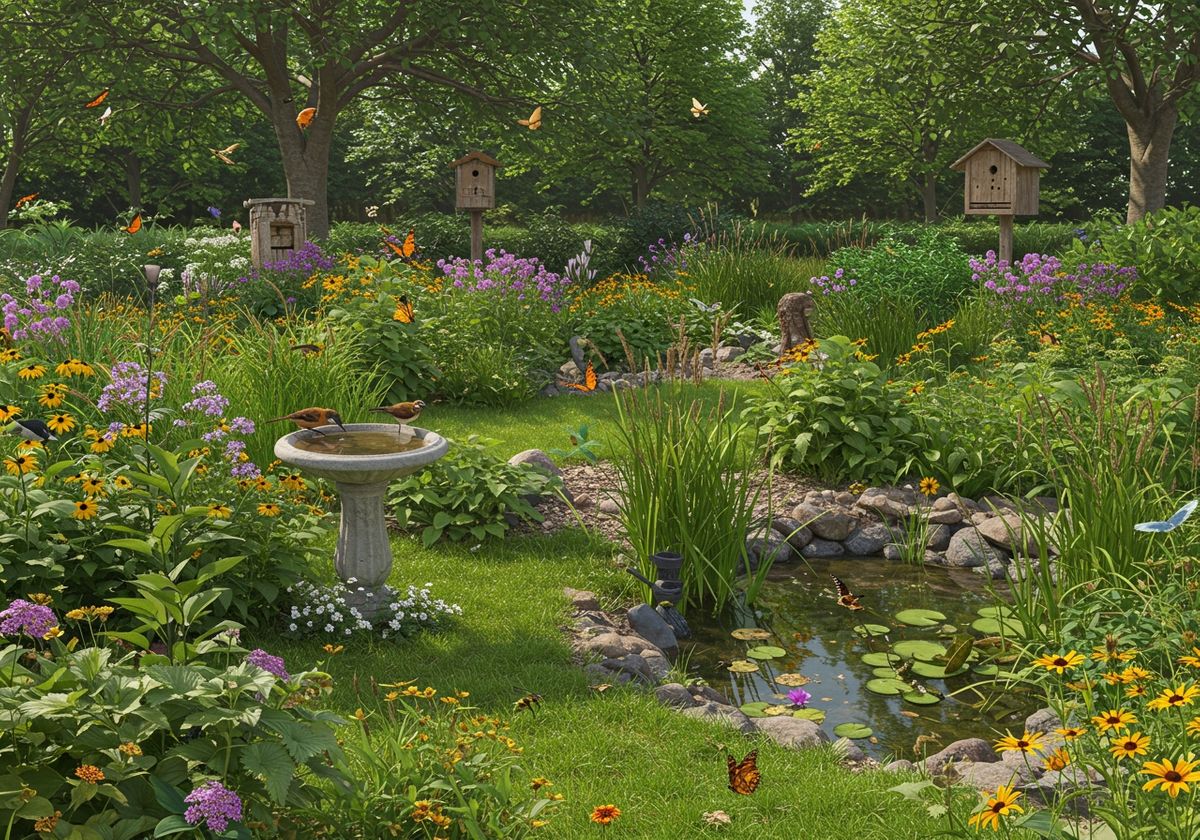
Transforming your yard into a vibrant habitat for local wildlife is a rewarding endeavor that benefits both you and the environment. By incorporating native plants, providing sources of water, and reducing or eliminating pesticide use, you can create a welcoming haven for birds, butterflies, bees, and other creatures right outside your door. Habitat gardening enhances biodiversity, supports ecological balance, and offers endless opportunities for observation and enjoyment. Let's explore how to get started.
Choosing the Right Native Plants
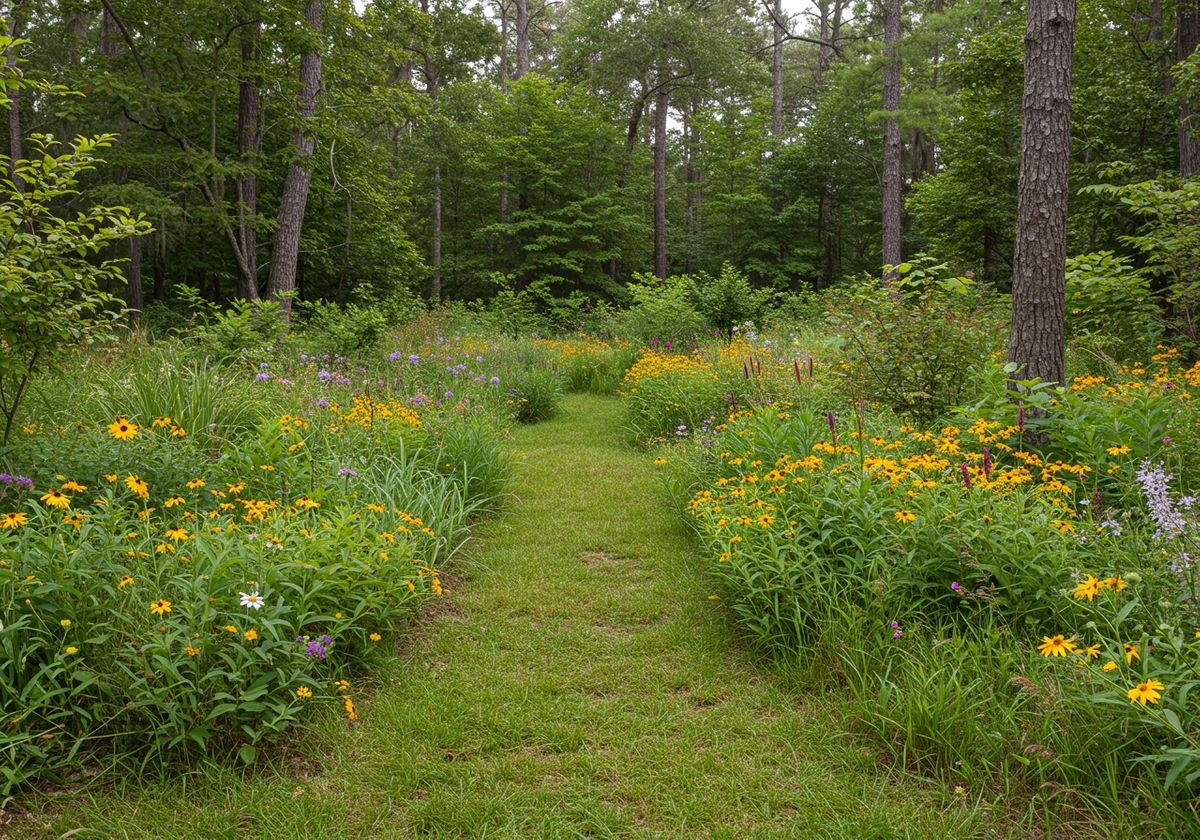
The foundation of any successful habitat garden is the selection of native plants. These are species that have evolved naturally in your region and are perfectly adapted to the local climate, soil, and growing conditions. Native plants provide food and shelter for native wildlife, forming the base of a healthy ecosystem. Research which plants are native to North Florida and choose a variety that offers different bloom times, foliage textures, and growth habits. Consider incorporating trees, shrubs, wildflowers, and grasses to create a layered landscape that provides diverse habitats.
Providing Sources of Water
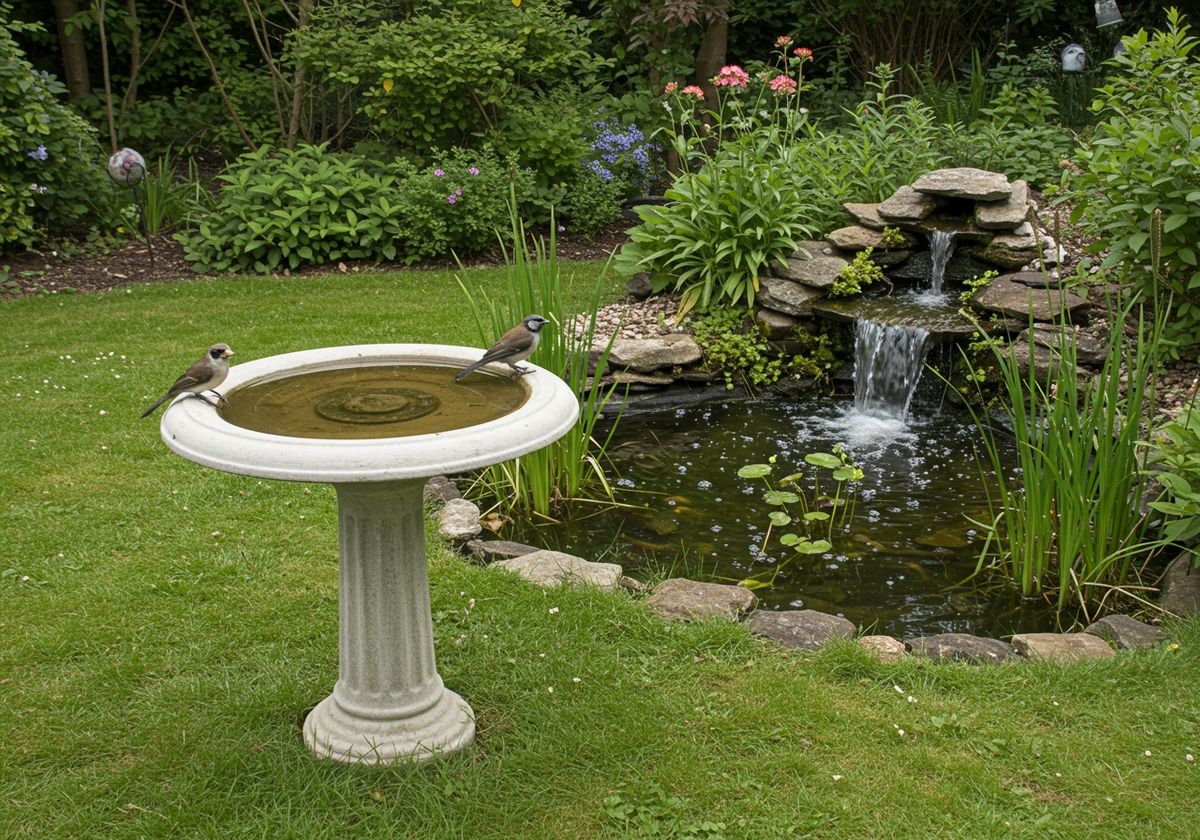
Water is essential for all living things, and providing a reliable source of water is a simple way to attract wildlife to your garden. A birdbath is an easy option, but be sure to clean it regularly to prevent the spread of disease. A small pond or water garden can be even more appealing, providing habitat for aquatic insects, amphibians, and even fish. Consider adding a bubbling fountain or waterfall to provide the sound of moving water, which can be especially enticing to birds.
Creating Shelter and Nesting Sites
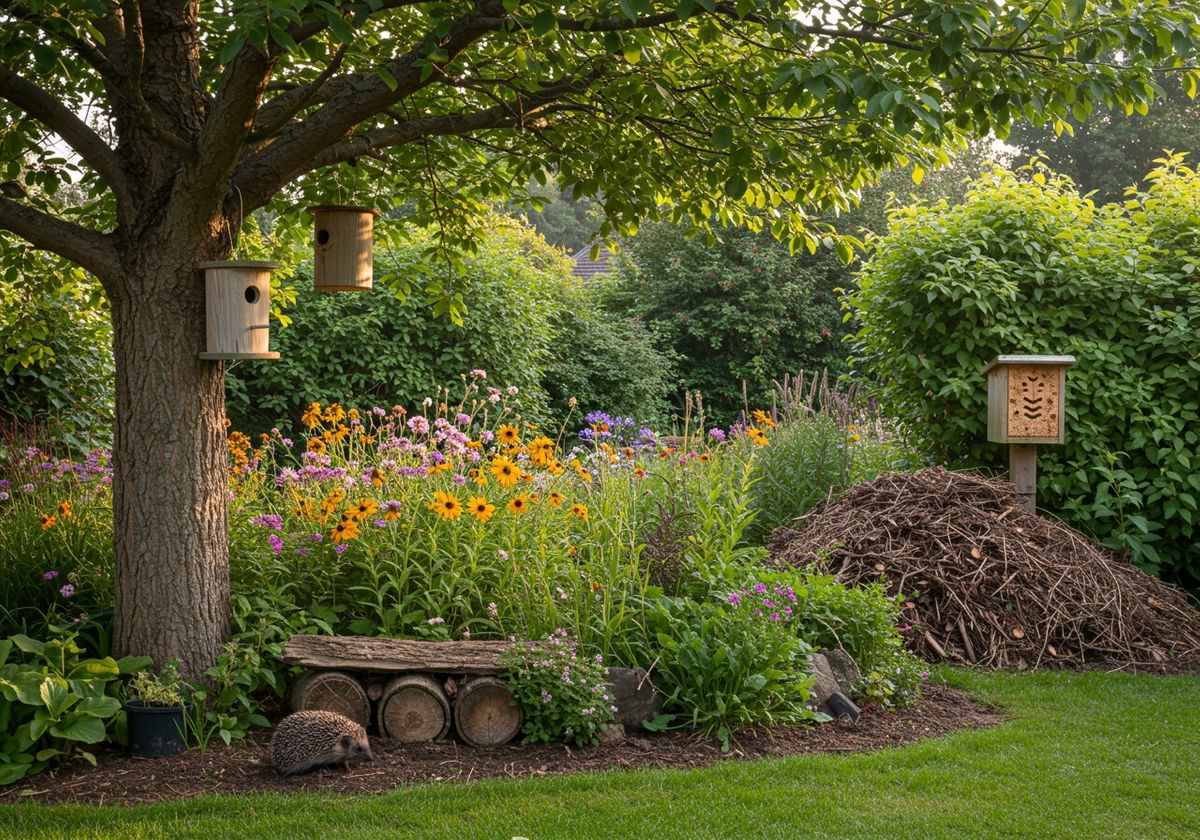
Wildlife needs shelter from the elements and safe places to raise their young. You can provide shelter by planting dense shrubs, allowing leaf litter to accumulate in certain areas, and leaving dead trees or branches standing (as long as they don't pose a safety hazard). Consider installing birdhouses, bat houses, and bee houses to provide additional nesting sites. A brush pile in a quiet corner of the yard can also offer valuable habitat for small mammals, reptiles, and insects.
Reducing or Eliminating Pesticide Use
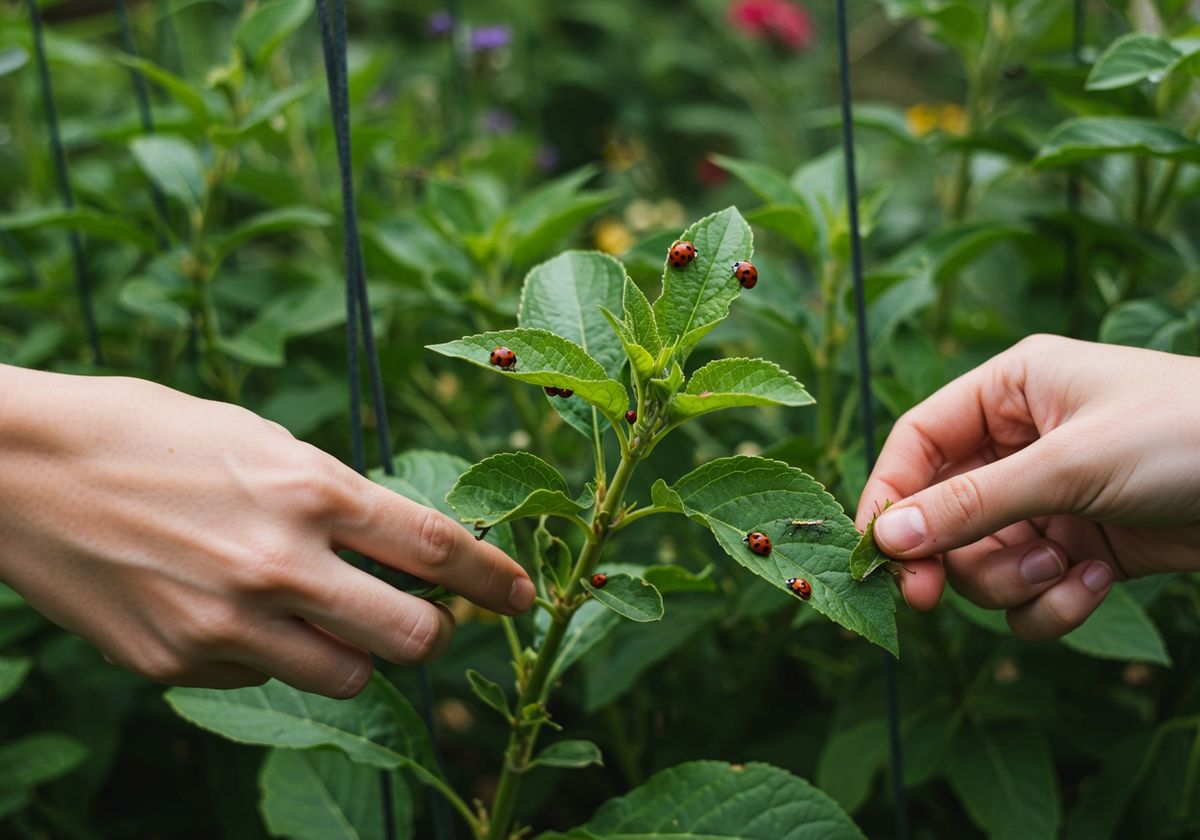
Pesticides can be harmful to wildlife, especially insects, birds, and amphibians. Consider using organic gardening methods, such as composting, mulching, and hand-picking pests, to minimize your reliance on pesticides. Encourage beneficial insects, such as ladybugs and lacewings, to control pest populations naturally. By reducing or eliminating pesticide use, you can create a healthier and more sustainable habitat for wildlife.
Maintenance Tips for a Thriving Habitat Garden
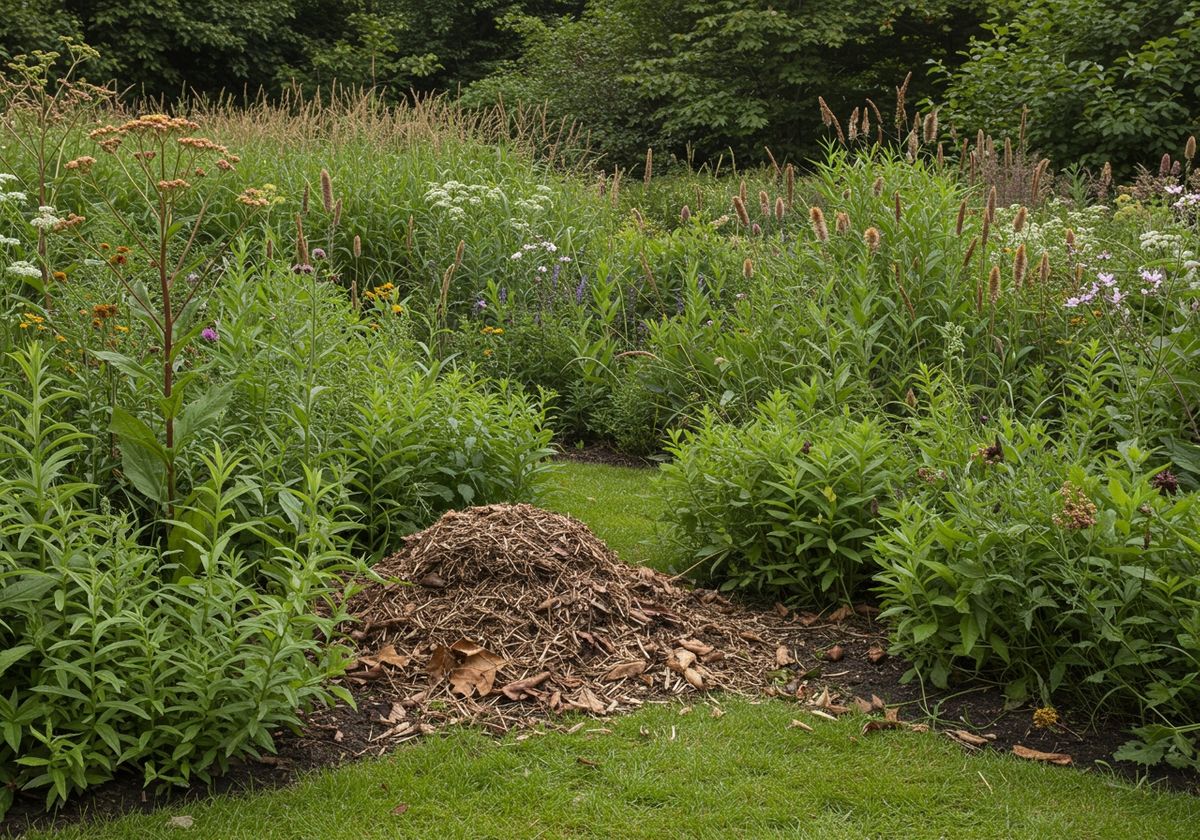
Maintaining a habitat garden is different from maintaining a traditional ornamental garden. The goal is to create a naturalistic landscape that provides food, water, and shelter for wildlife. Avoid excessive pruning or tidying, as this can remove valuable habitat. Leave seed heads on plants over the winter to provide food for birds, and allow leaf litter to accumulate in certain areas to provide shelter for insects and other invertebrates. Be patient and allow your garden to evolve naturally over time.
Creating a habitat garden is a long-term investment that pays off in countless ways. By providing food, water, shelter, and nesting sites for wildlife, you can create a beautiful and sustainable landscape that benefits both you and the environment. TLC Total Lawn Care has been making tall grass short since 1983, with a professional and dedicated service. Our mission is to lead the industry in providing profitable landscape solutions for our customers while providing the best career opportunities for our team members. If you're interested in learning more about how TLC Total Lawn Care can help you create and maintain a thriving habitat garden, visit our website or contact us today! Landscapes that Mean Business | Since 1983