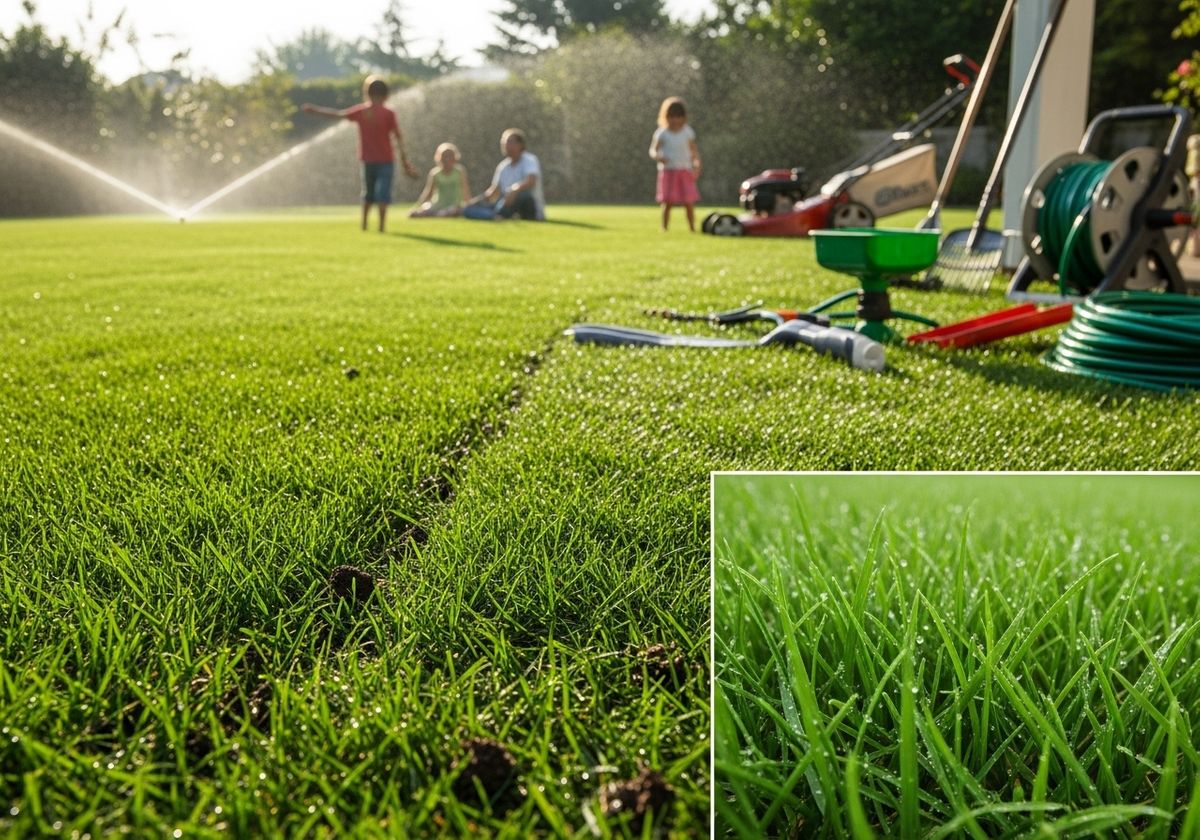
Maintaining a healthy lawn requires consistent effort and the right knowledge. A vibrant, green lawn not only enhances your property's curb appeal but also provides a welcoming outdoor space for relaxation and recreation. Here are some essential grass care tips to help you achieve and maintain a lush, healthy lawn. TLC Total Lawn Care understands the importance of a well-maintained landscape, and we're here to provide you with expert advice.
Watering Wisely
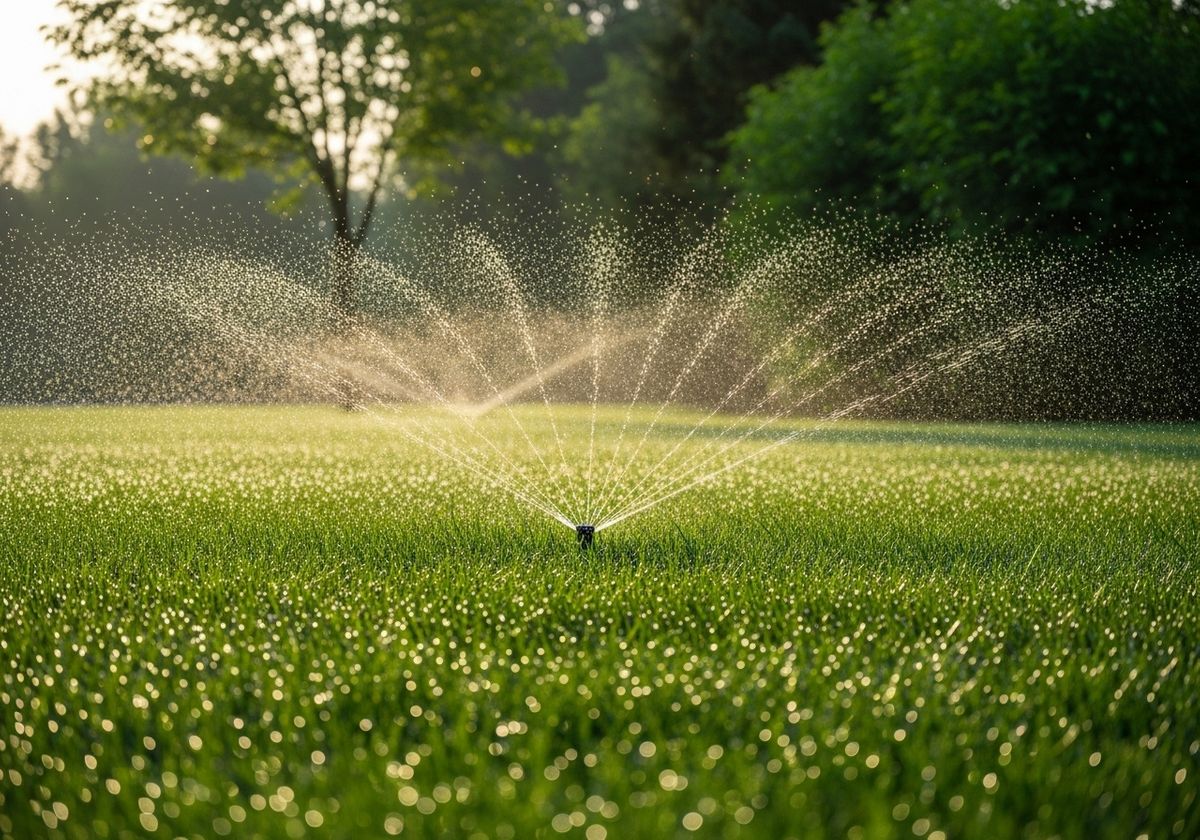
Proper watering is crucial for a healthy lawn. The key is to water deeply and less frequently. This encourages deep root growth, making your grass more resilient to drought and disease. Aim for about 1-1.5 inches of water per week, including rainfall. Water in the early morning to minimize evaporation and reduce the risk of fungal diseases. Avoid frequent, shallow watering, as this can lead to shallow root systems and a weaker lawn.
Fertilizing for Growth
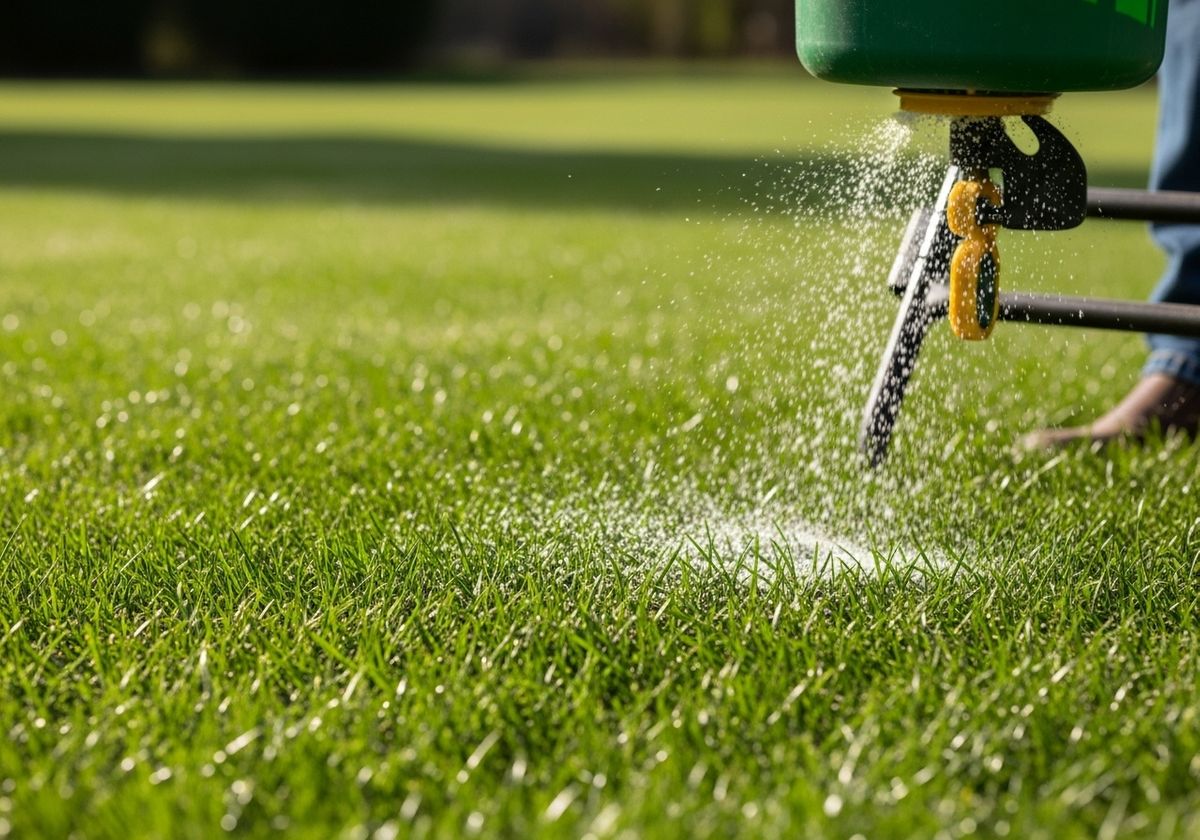
Fertilizing provides your lawn with the nutrients it needs to thrive. The best time to fertilize depends on the type of grass you have. Cool-season grasses benefit from fertilization in the fall and spring, while warm-season grasses should be fertilized in the late spring and summer. Use a fertilizer that is specifically formulated for your grass type and follow the manufacturer's instructions carefully. Avoid over-fertilizing, as this can burn your grass and harm the environment.
Mowing Techniques
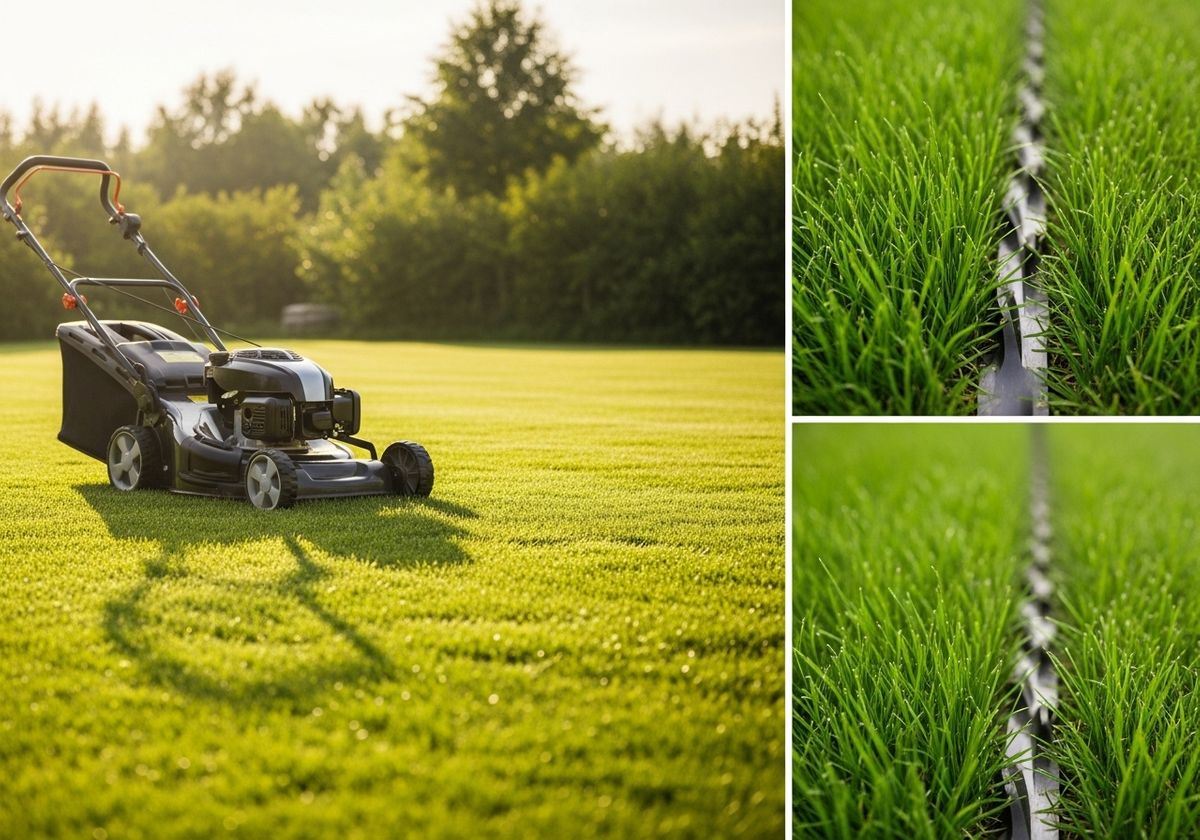
Mowing correctly is essential for maintaining a healthy lawn. Set your mower to the highest recommended setting for your grass type. Taller grass blades help shade the soil, reducing evaporation and preventing weed growth. Never remove more than one-third of the grass blade at a time, as this can stress the plant. Keep your mower blades sharp to ensure a clean cut, which promotes healthy growth and prevents disease.
Aeration and Thatch Control
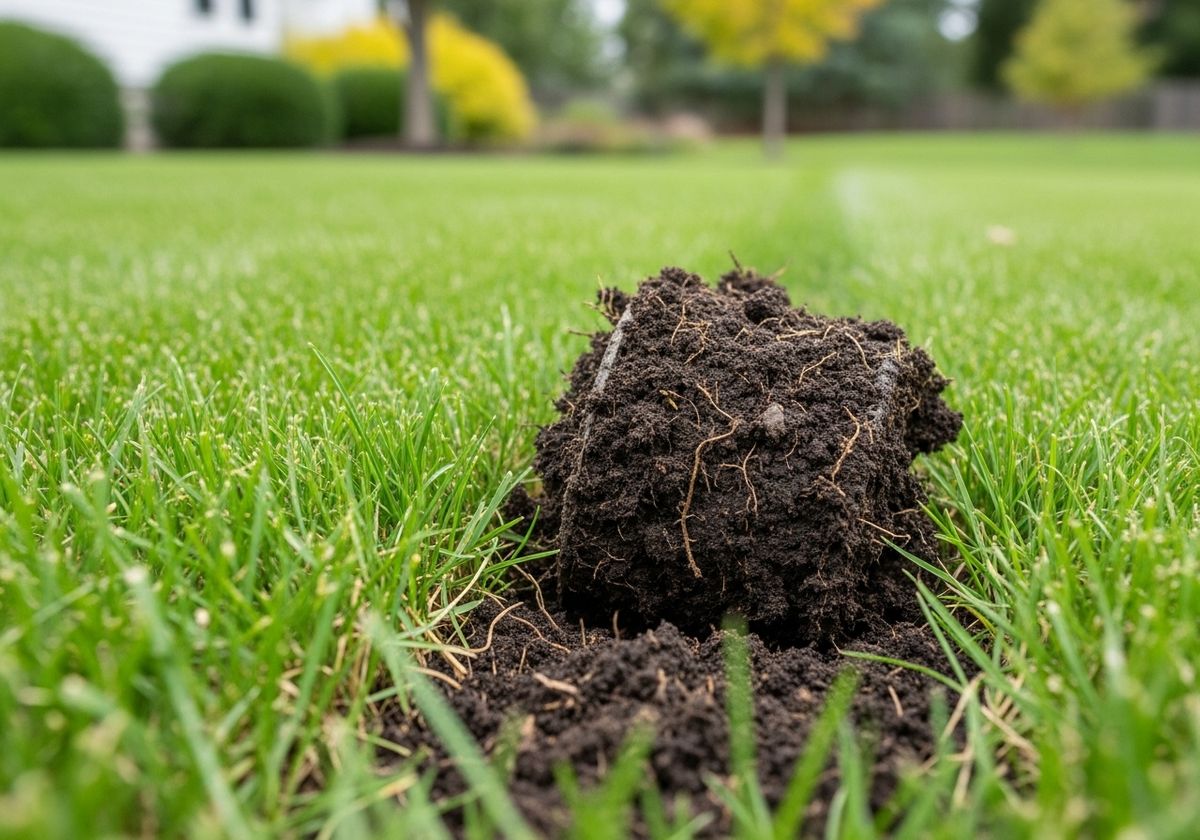
Over time, soil can become compacted, making it difficult for air, water, and nutrients to reach the roots. Aeration involves creating small holes in the soil to alleviate compaction and improve drainage. Thatch, a layer of dead organic matter that accumulates on the soil surface, can also prevent water and nutrients from reaching the roots. Dethatching removes this layer, allowing your lawn to breathe. Aerate and dethatch your lawn as needed, typically in the fall or spring.
Weed Control Strategies
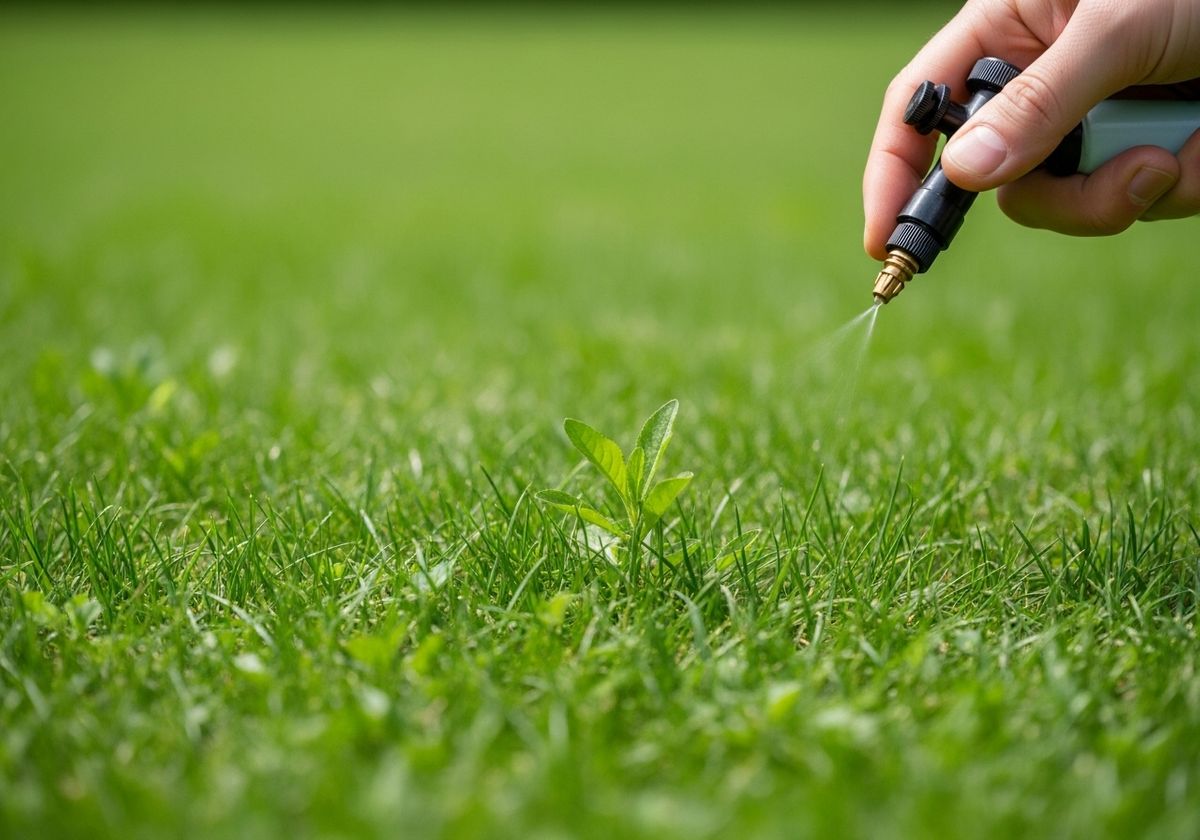
Weeds compete with your grass for water, nutrients, and sunlight. To prevent weed growth, maintain a thick, healthy lawn. This will naturally choke out weeds. You can also use pre-emergent herbicides to prevent weed seeds from germinating. For existing weeds, use a selective herbicide that targets the weeds without harming your grass. Always follow the product instructions and take precautions to protect yourself and the environment.
Pest and Disease Management
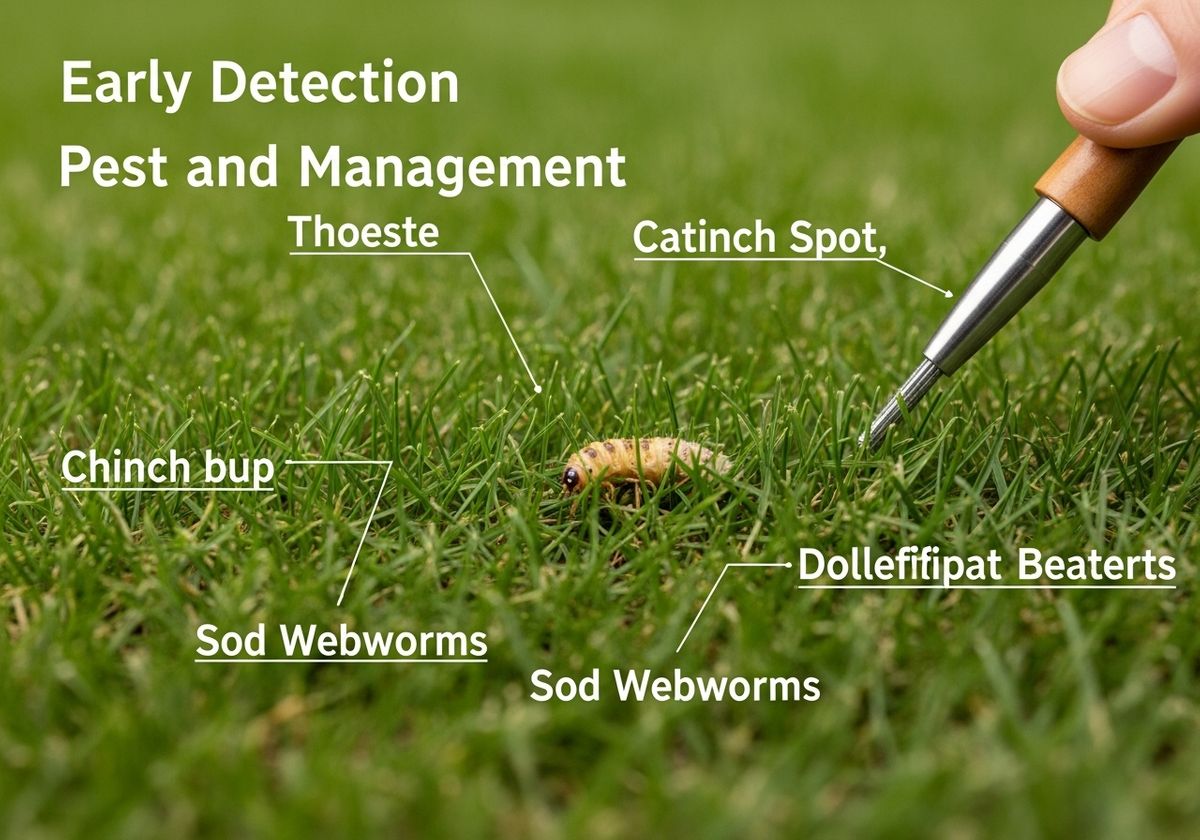
Regularly inspect your lawn for signs of pests or diseases. Early detection is crucial for effective treatment. Common lawn pests include grubs, chinch bugs, and sod webworms. Diseases can be caused by fungi, bacteria, or viruses. If you suspect a problem, identify the pest or disease and choose an appropriate treatment. Consider using organic or natural pest control methods whenever possible.
By following these grass care tips, you can achieve and maintain a healthy, beautiful lawn. Remember, a well-maintained lawn requires consistent effort and attention to detail. At TLC Total Lawn Care, serving North Florida since 1983, we understand what it takes to keep your lawn looking its best. For a customizable maintenance program tailored to your needs, visit our website or contact us today to learn more about how we can help you achieve the landscape of your dreams. Landscapes that Mean Business | Since 1983.