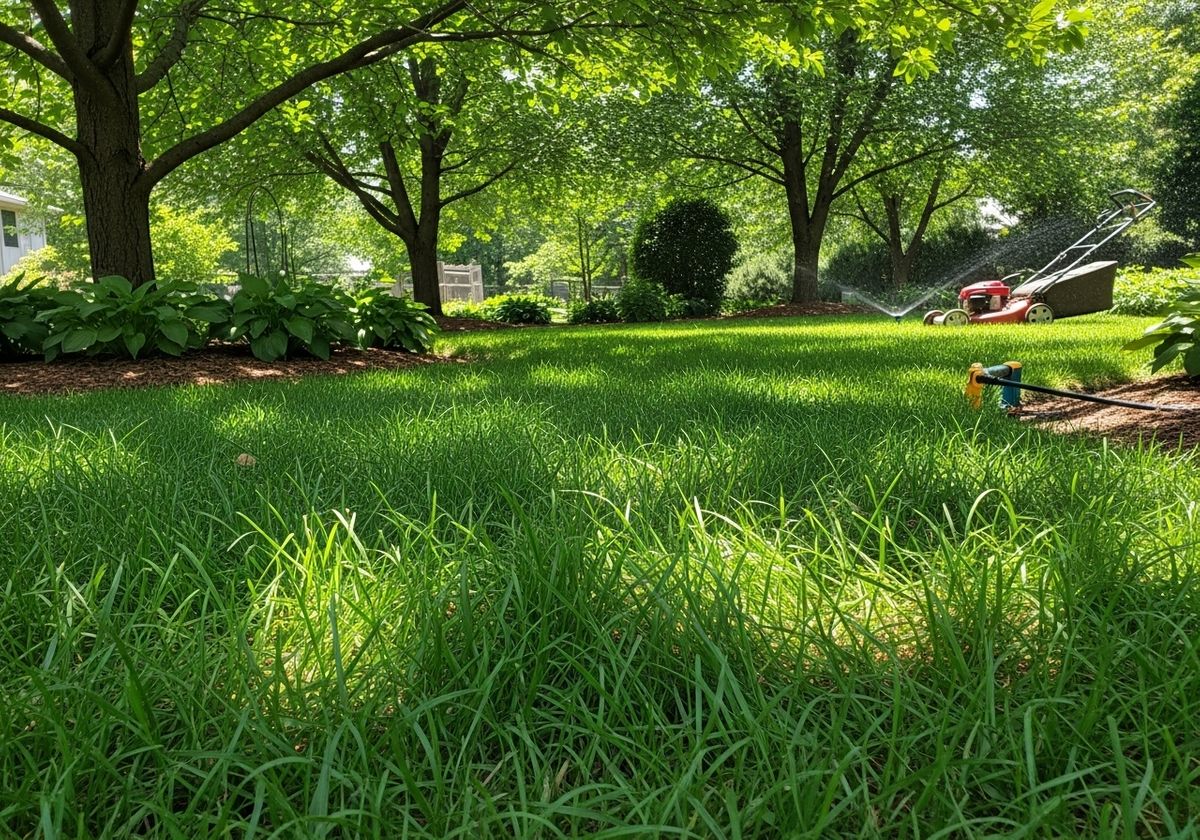
Finding the right solutions for your lawn can be tricky, especially in shady areas. Many homeowners struggle with thinning grass under trees or in areas where buildings block sunlight. But don't worry, achieving a lush, green lawn in these spots is possible with the right approach. Let's explore the best strategies for growing grass in shady conditions.
Understanding the Challenges of Shade
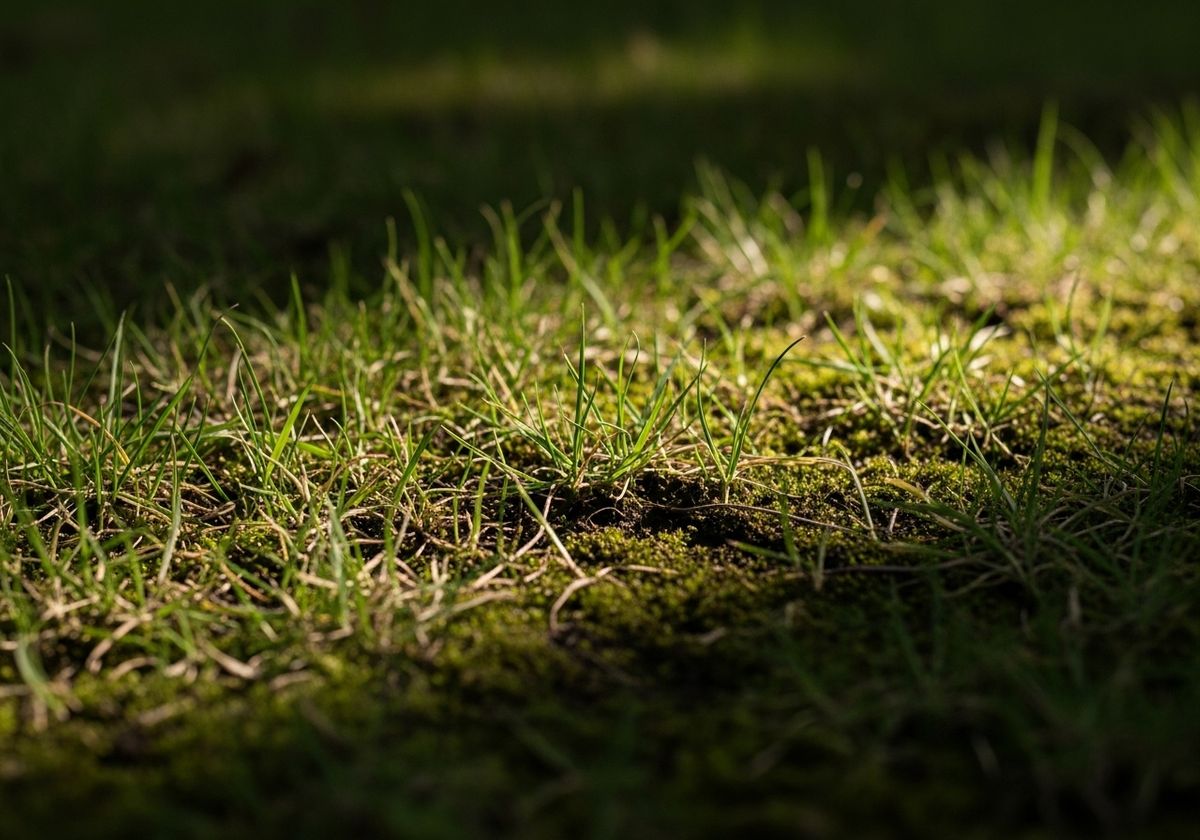
Shady areas present unique challenges for grass growth. Reduced sunlight means less energy for photosynthesis, the process by which grass converts light into food. This can result in weaker, thinner grass that's more susceptible to disease and weed infestation. Additionally, shade often leads to increased moisture, creating a breeding ground for fungal problems. Therefore, a tailored approach is essential for success.
Selecting the Right Grass Variety
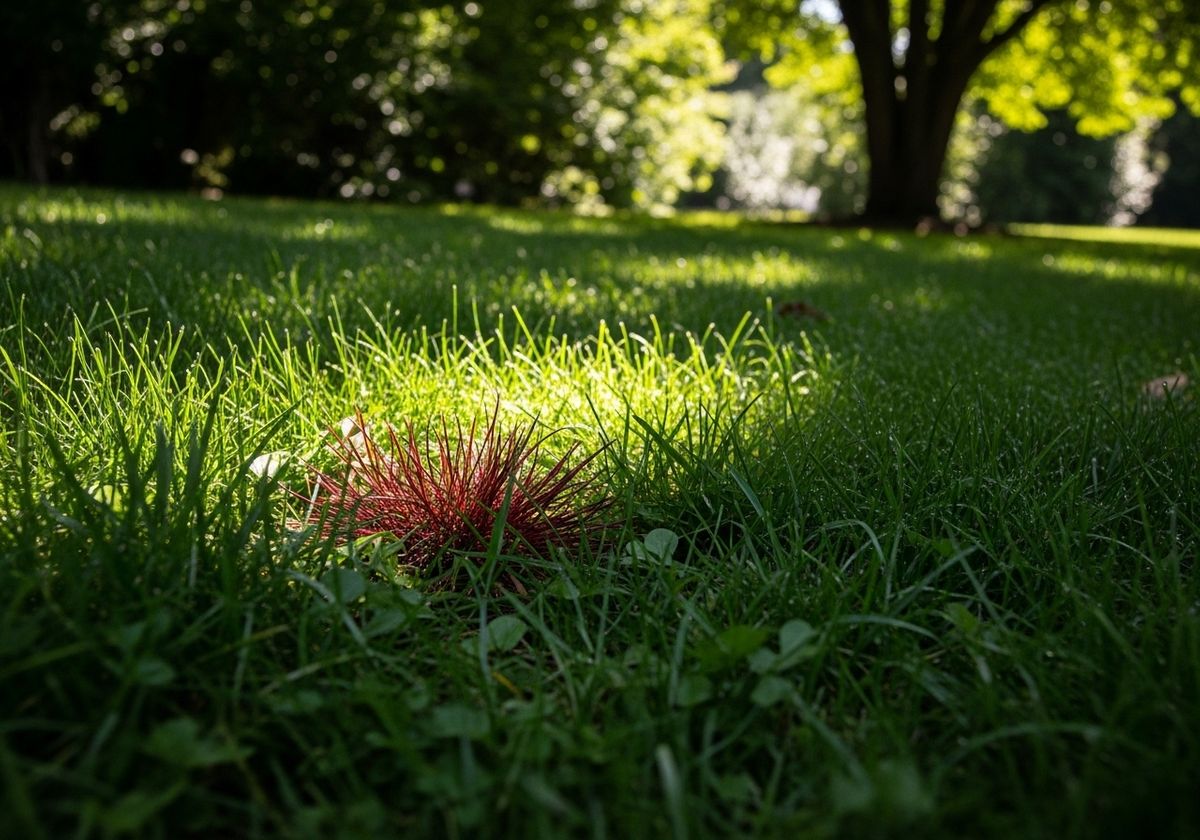
Choosing a shade-tolerant grass variety is the first and most crucial step. Some grasses are naturally better equipped to thrive in low-light conditions. Here are a few excellent options:
Fine Fescues: These are among the most shade-tolerant grasses. Varieties like creeping red fescue, chewings fescue, and hard fescue perform well in moderately shady areas. They have a fine texture and require less fertilization than other grasses.
Tall Fescue: While generally a sun-loving grass, certain tall fescue varieties exhibit good shade tolerance. They are more robust and can withstand moderate foot traffic.
Kentucky Bluegrass Blends: Some Kentucky bluegrass blends are designed to tolerate partial shade. Look for mixes that include fine fescues for enhanced shade performance.
Preparing the Soil
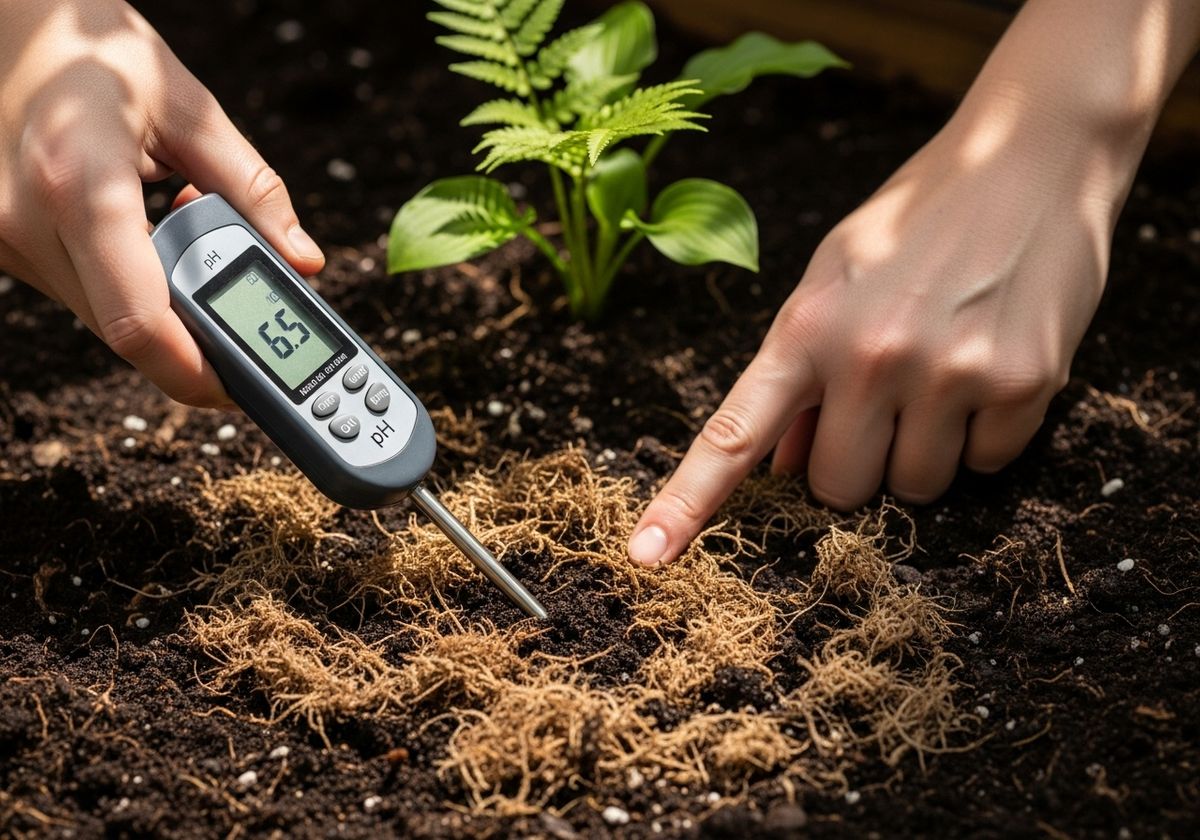
Proper soil preparation is vital for establishing healthy grass, especially in shady areas. Start by testing your soil's pH level. Ideally, it should be slightly acidic to neutral (between 6.0 and 7.0). Amend the soil with organic matter like compost or peat moss to improve drainage and provide essential nutrients. Good drainage is crucial in shady areas to prevent waterlogged conditions that can lead to disease.
Seeding or Sodding
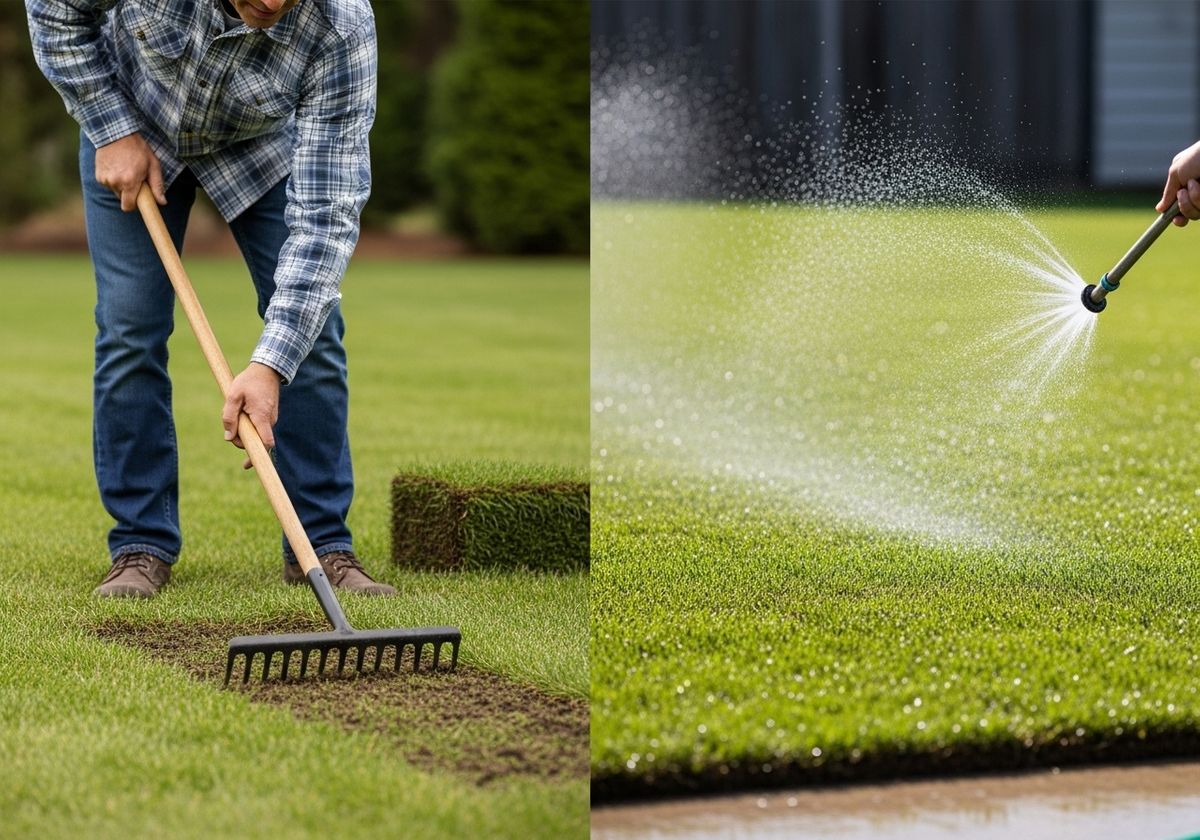
When planting, you have the option of seeding or sodding. Seeding is generally more cost-effective, but sodding provides instant coverage. If seeding, follow these tips:
Timing: The best time to seed is in the early fall or spring, when temperatures are cooler and moisture is more consistent.
Seeding Rate: Follow the recommended seeding rate for your chosen grass variety. Avoid over-seeding, as this can lead to competition and weaker plants.
Lightly Rake: Gently rake the seeds into the soil to ensure good contact.
Watering: Keep the soil consistently moist but not waterlogged until the seedlings are established.
If sodding, ensure the sod is in contact with the soil and water thoroughly. Avoid walking on the sod until the roots have taken hold.
Watering and Fertilizing
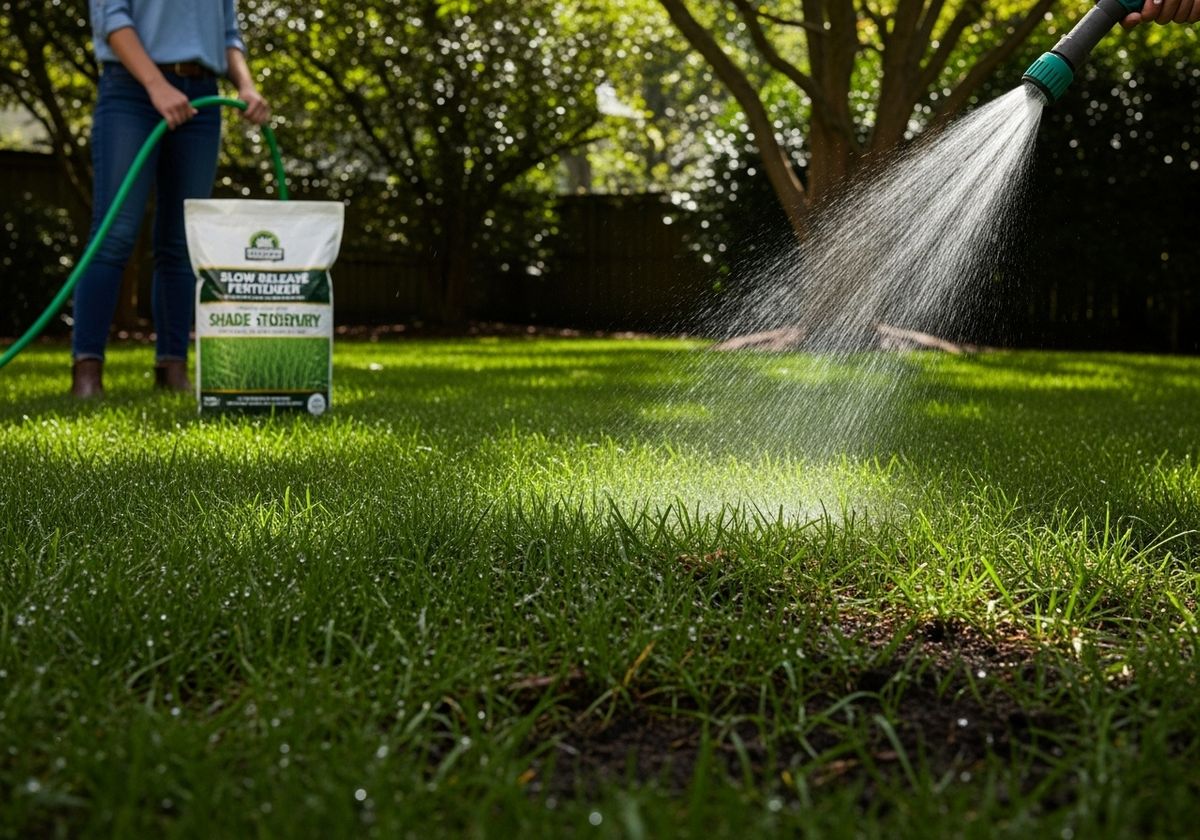
Proper watering and fertilization are essential for maintaining a healthy lawn in shady areas. Water deeply but infrequently, allowing the soil to dry out slightly between waterings. This encourages deep root growth, making the grass more resilient.
Fertilize sparingly, as over-fertilizing can promote excessive top growth, making the grass more susceptible to disease. Use a slow-release fertilizer formulated for shade-tolerant grasses. Apply fertilizer in the early spring and fall.
Mowing and Maintenance
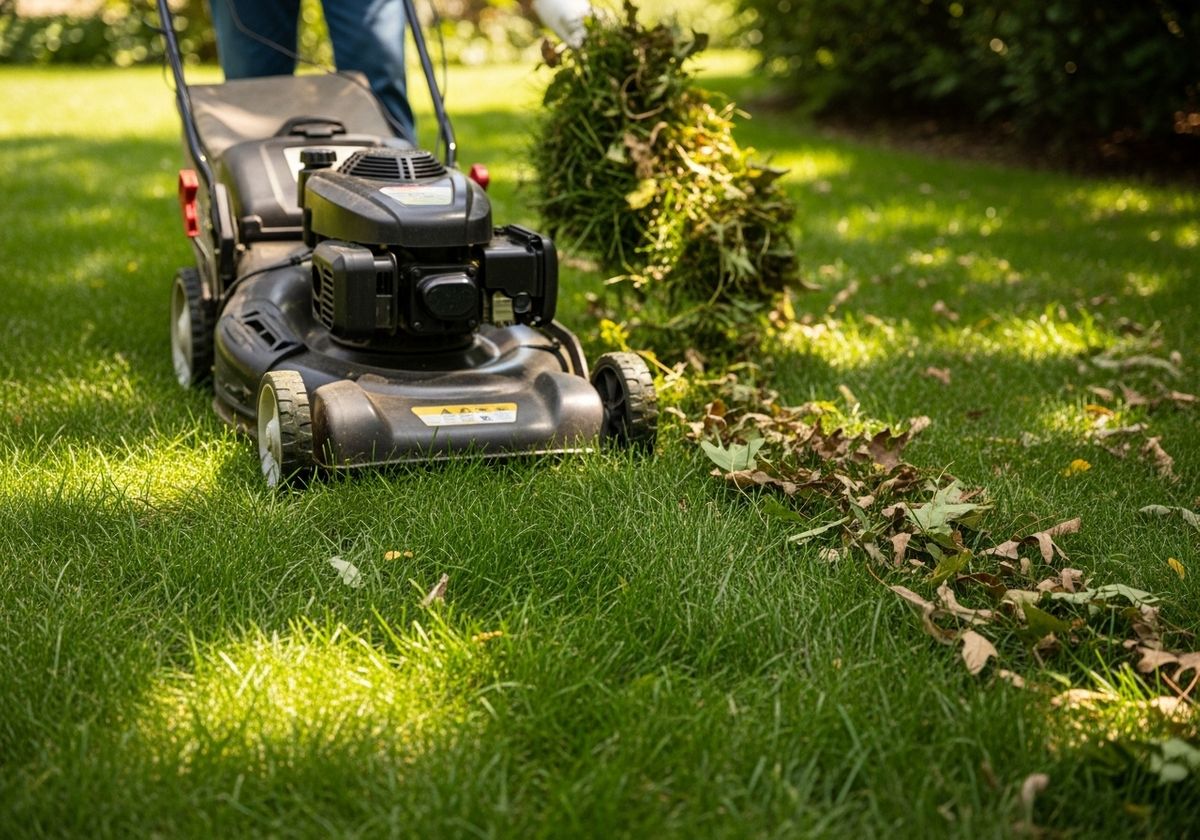
Mowing height is critical in shady areas. Raise your mower blade to the highest setting. Taller grass blades can capture more sunlight, promoting better growth. Remove any fallen leaves or debris regularly, as they can block sunlight and trap moisture, creating a favorable environment for disease.
Professional Lawn Care
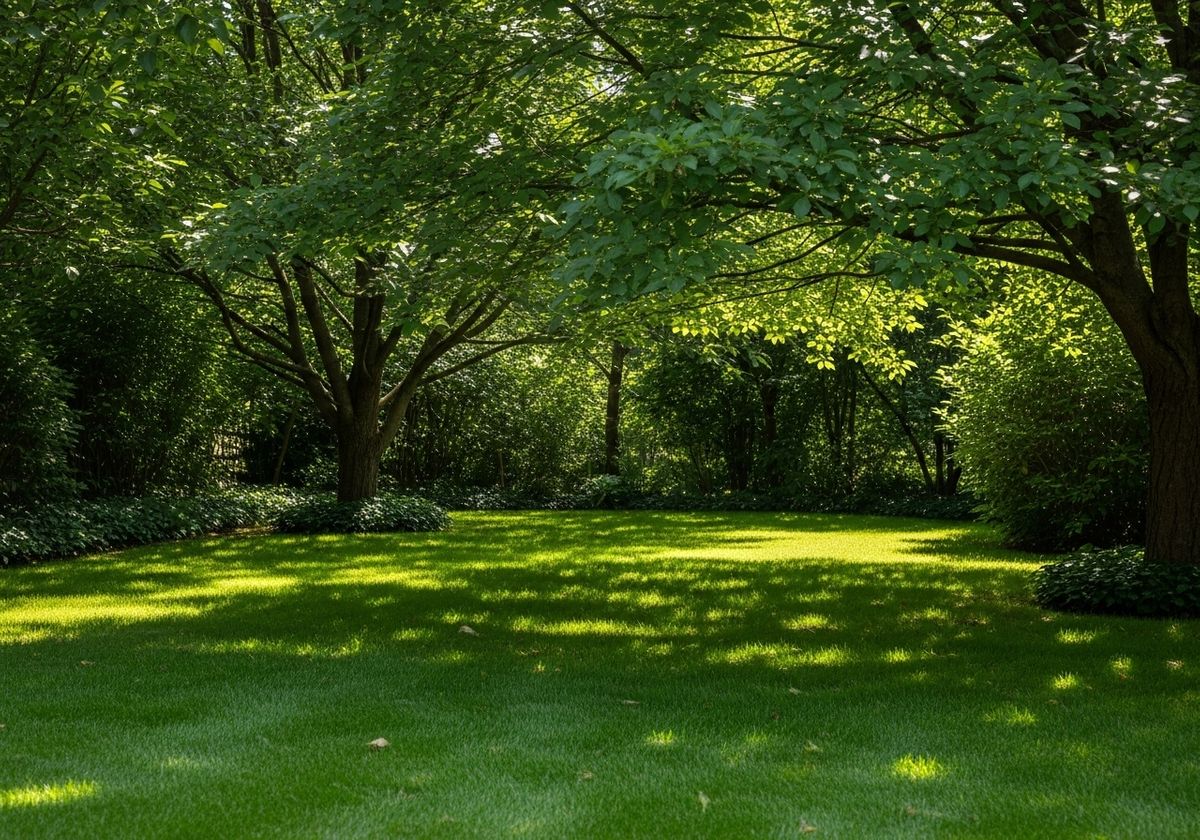
Growing grass in shady areas requires a strategic approach that addresses the unique challenges of low-light conditions. Selecting the right grass variety, preparing the soil, proper watering, and regular maintenance are all essential for success. Remember, TLC Total Lawn Care has been providing dedicated and reliable service since 1983, offering landscapes that mean business.
If you're seeking professional assistance to achieve a vibrant lawn, consider exploring TLC Total Lawn Care's customizable lawn care and landscape maintenance solutions. We're here to help you make your tall grass short! Contact us today for a consultation, and let us tailor a solution to your business's specific requirements.