Taking care of your lawn involves more than just mowing and watering. Often overlooked, the presence of logs, whether decaying or seemingly harmless, can significantly impact your lawn's health. Understanding these effects is crucial for maintaining a vibrant and healthy landscape.
The Double-Edged Sword of Decaying Logs
Decaying logs can be a double-edged sword for your lawn. On one hand, as they decompose, they release nutrients back into the soil, acting as a natural fertilizer. This can benefit the surrounding grass and plants. On the other hand, this decomposition process can also create several problems:
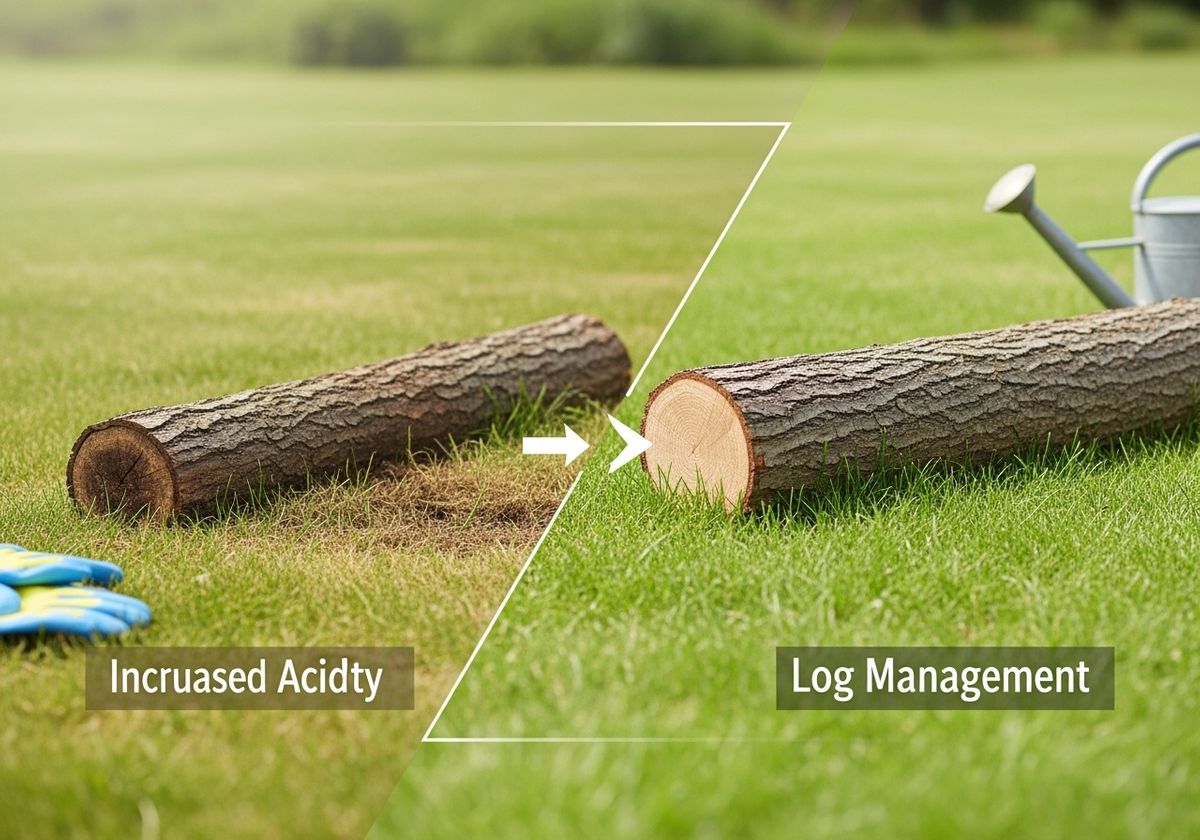
Acidity: Decaying wood tends to increase soil acidity. While some plants thrive in acidic conditions, most common lawn grasses prefer a neutral to slightly alkaline pH. An overly acidic environment can hinder grass growth and encourage weed proliferation.
Fungal Growth: Decaying logs are a breeding ground for fungi. While some fungi are beneficial, many can be detrimental to your lawn, causing diseases like brown patch or fairy ring.
Pest Harborage: Logs provide shelter for various pests, including termites, ants, and rodents. These pests can then spread to other areas of your property, causing damage to your home and landscape.
Physical Obstacles
Even non-decaying logs can pose problems. They create physical barriers, preventing sunlight and water from reaching the grass underneath. This can lead to bare patches and uneven growth. Additionally, logs can obstruct mowing, making lawn maintenance more difficult.
Managing Logs for a Healthy Lawn
So, what can you do to mitigate the negative impacts of logs on your lawn?
Removal: The most straightforward solution is to remove the logs altogether. This eliminates the potential for acidity, fungal growth, and pest harborage.
Relocation: If you want to keep the logs for aesthetic reasons, consider moving them to an area away from your lawn, such as a garden bed or a wooded area.
Decomposition Management: If you choose to leave the logs in place, monitor the surrounding soil pH and amend it as needed to maintain a neutral level. Regularly inspect the logs for signs of fungal growth or pest infestation.
Maintaining a healthy lawn requires attention to detail and an understanding of the various factors that can impact its well-being. While logs may seem like a natural part of the landscape, they can have significant consequences for your lawn's health. By taking proactive steps to manage or remove logs, you can ensure a vibrant and thriving lawn for years to come. TLC Total Lawn Care has been providing landscapes that mean business since 1983. We understand the nuances of lawn health in North Florida. Contact us today to learn more about our lawn care services and how we can help you achieve the lawn of your dreams. Consider requesting an estimate, or learn more about our flexible scheduling options to minimize disruption to your operations and customers.