
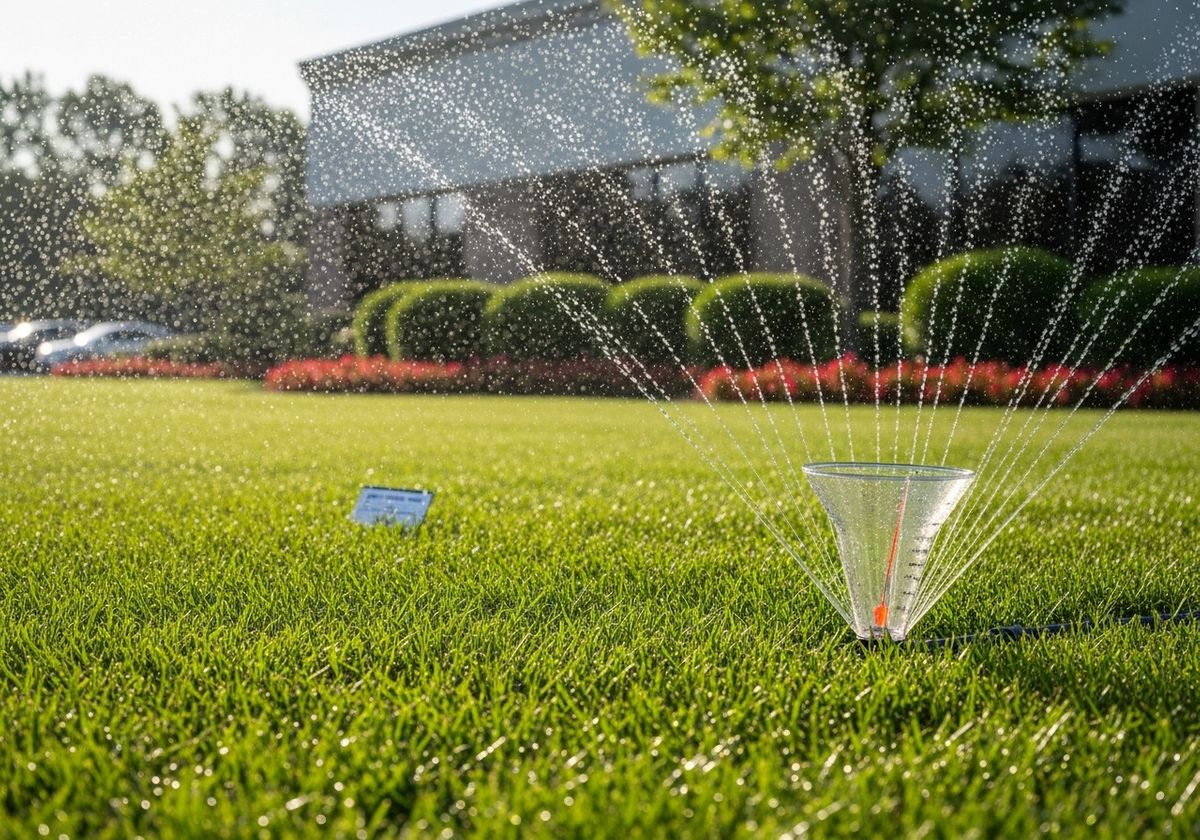
Proper lawn watering is essential for maintaining a healthy and vibrant landscape. Whether you're a seasoned homeowner or new to lawn care, understanding the best watering practices can significantly impact the health and appearance of your lawn. At TLC Total Lawn Care, we've been making tall grass short since 1983 and have seen firsthand the difference proper watering can make.

Understanding Your Lawn's Needs
Before you even turn on the sprinkler, it's important to know what type of grass you have and what its specific watering needs are. Different grass types have different requirements. For example, St. Augustine grass, common in North Florida, has different needs than Zoysia. Understanding your grass type is the first step in creating an effective watering schedule.
The Deep and Infrequent Method
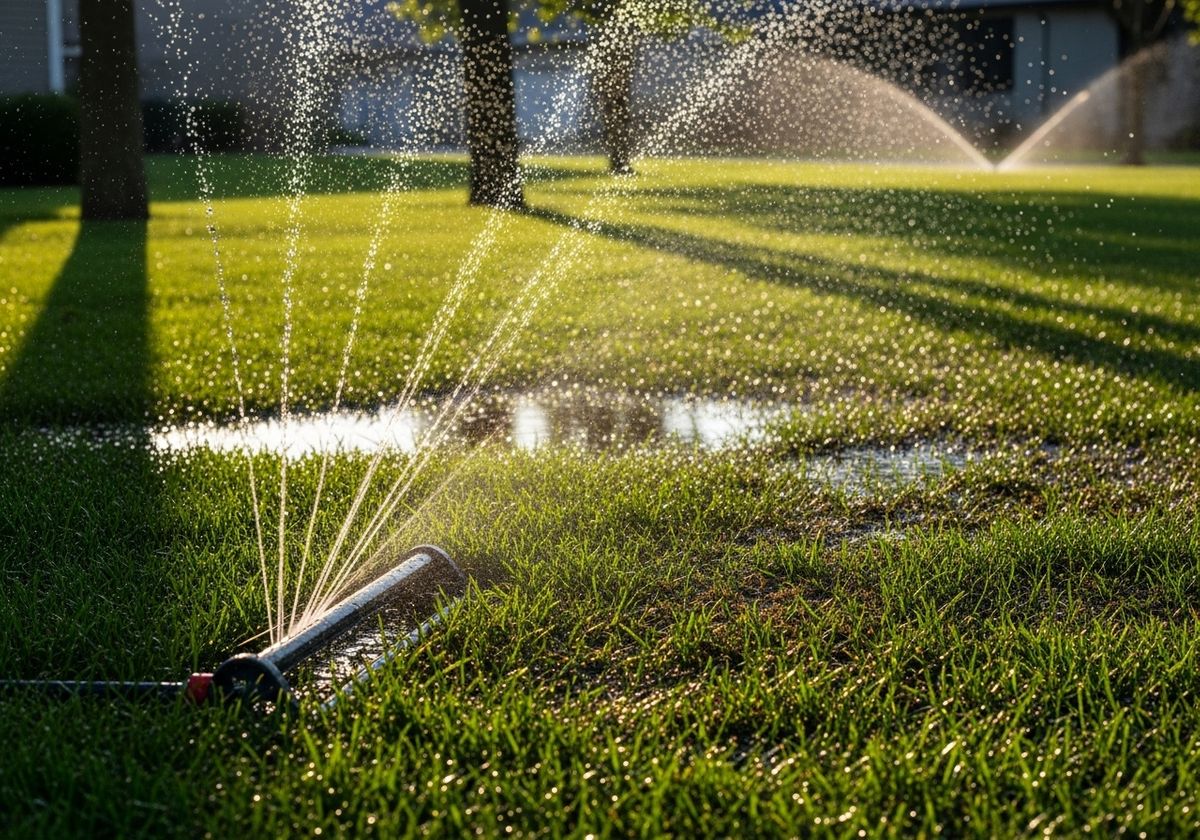
The best way to water your lawn is deeply and infrequently. This encourages deep root growth, making your lawn more resilient to drought and other environmental stressors. Instead of watering lightly every day, aim to water thoroughly a few times a week. This allows the water to penetrate deep into the soil, encouraging the roots to grow downwards in search of moisture. A good rule of thumb is to water until the soil is moist to a depth of about 6 inches.

Best Time to Water
Timing is everything when it comes to watering. The best time to water your lawn is early in the morning, ideally before 10 a.m. This allows the grass blades to dry before nightfall, reducing the risk of fungal diseases. Avoid watering in the evening or at night, as this can create a moist environment that encourages disease.
How Much Water is Enough?
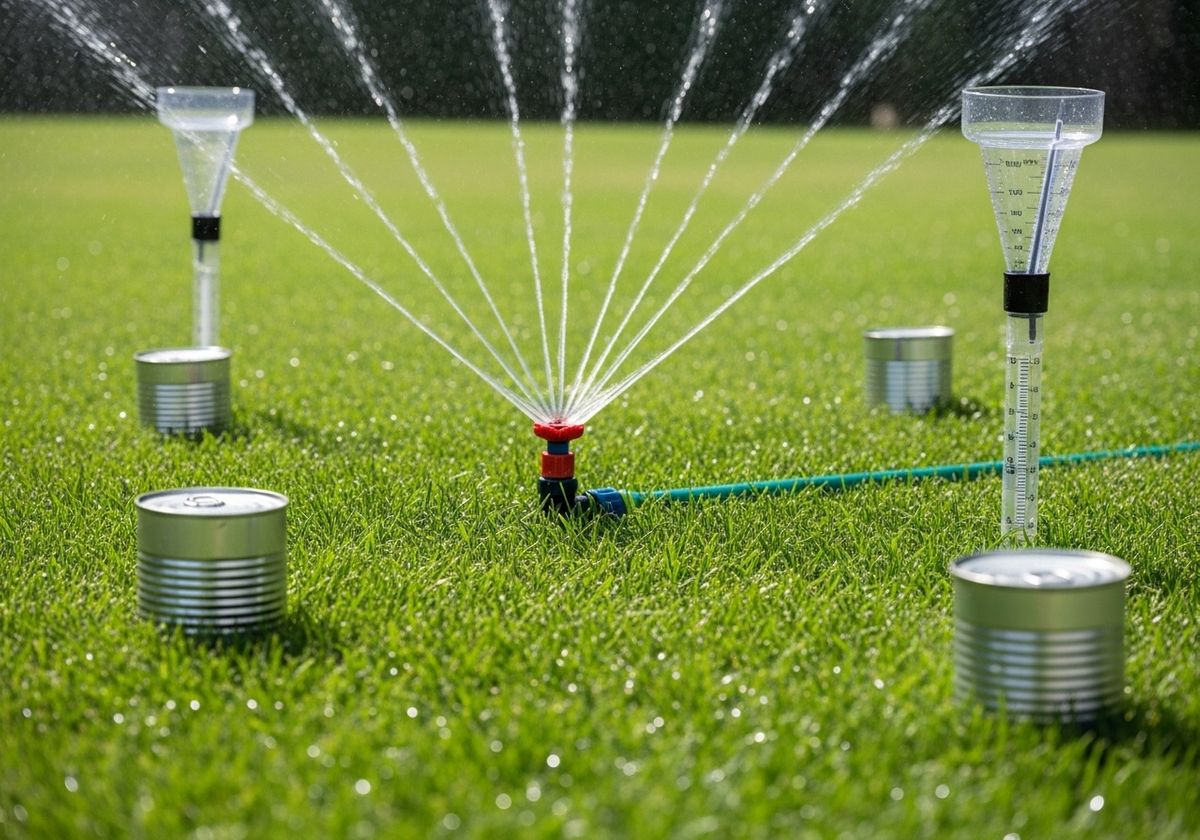
Knowing how much water to apply can be tricky. A simple way to measure is by placing a few empty tuna cans or rain gauges around your lawn while watering. Aim for about 1 to 1.5 inches of water per watering session. This ensures that the soil is adequately saturated without overwatering.
Signs of Overwatering and Underwatering
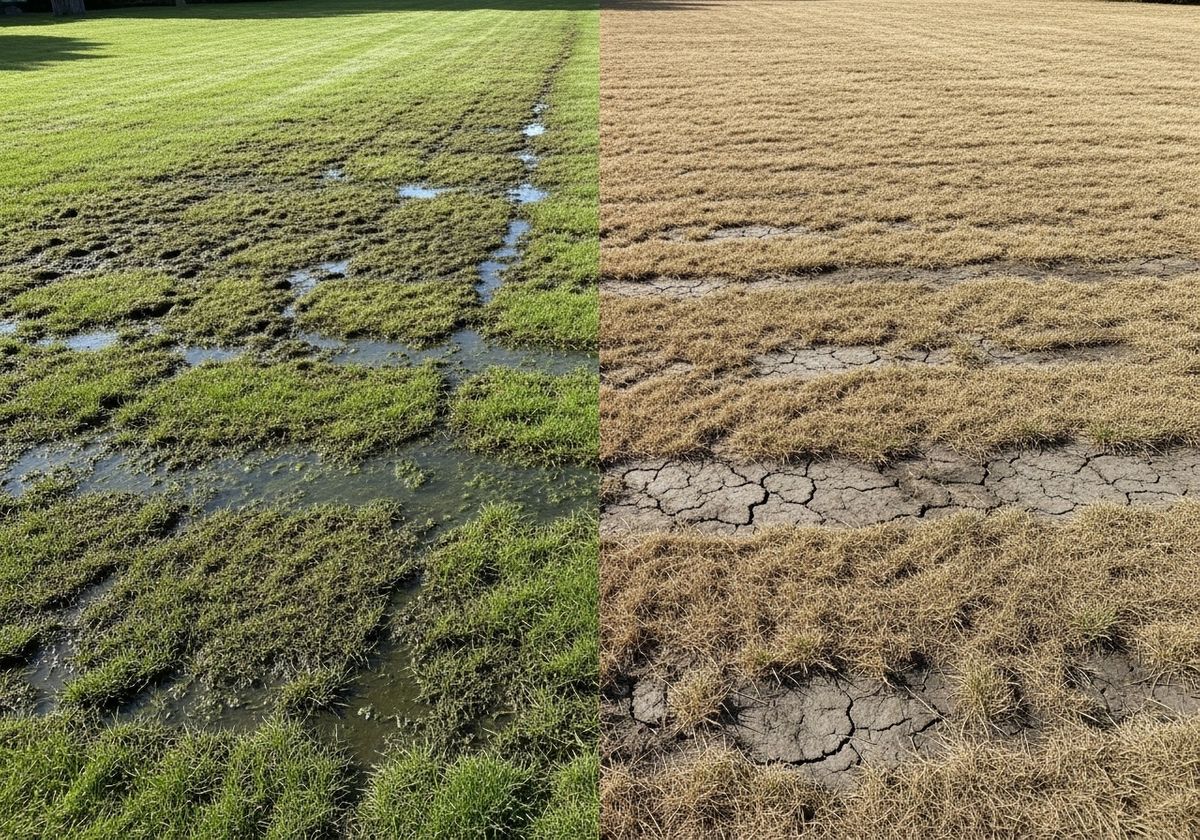
It's important to be able to recognize the signs of both overwatering and underwatering. Overwatered lawns may have soggy soil, promote weed growth, and be prone to fungal diseases. Underwatered lawns, on the other hand, may have a blue-gray tint, with grass blades that curl up or wilt. Adjust your watering schedule based on these signs.
TLC Total Lawn Care: Your Partner in Lawn Health
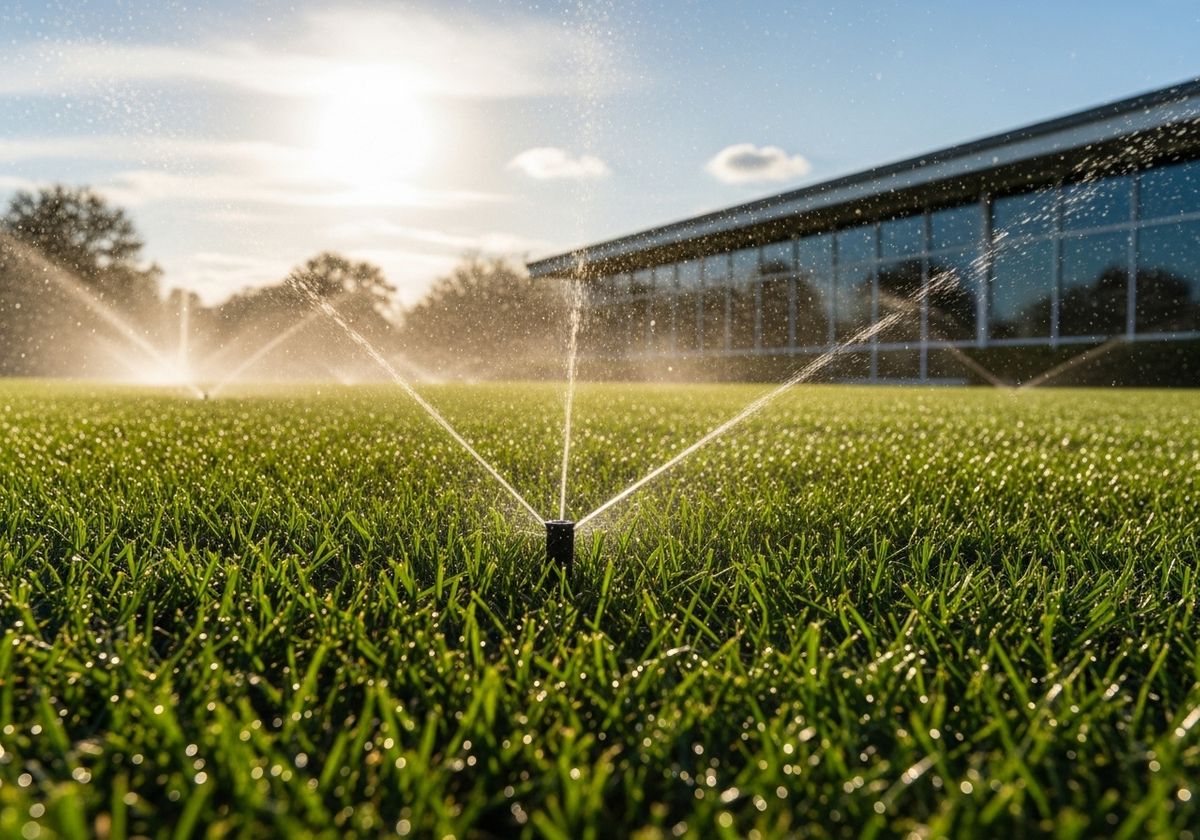
Proper watering is a cornerstone of effective lawn care. By understanding your lawn's needs, adopting the deep and infrequent method, and monitoring for signs of over or underwatering, you can keep your lawn healthy and vibrant. At TLC Total Lawn Care, we understand the complexities of lawn care and are dedicated to providing landscapes that mean business. If you're in Jacksonville or the surrounding areas and need help with your commercial lawn care maintenance, landscapes, and horticultural services, we're here to help. Contact us today to learn more about our customizable packages tailored to your business's specific requirements and budget, and discover the difference a professional and dedicated service can make. Serving North Florida for over 30 years, TLC has developed an outstanding reputation for superior commercial lawn care maintenance, landscapes, and horticultural services.