Maintaining a healthy and vibrant lawn can be a rewarding endeavor, adding beauty and value to your property. However, lawns can face various challenges, from seasonal changes to unexpected damage. At TLC Total Lawn Care, we understand the importance of a well-maintained landscape. Since 1983, we've been dedicated to providing top-notch lawn care and restoration services in North Florida. This guide will provide valuable insights and practical tips to help you keep your lawn looking its best.
Understanding Your Lawn's Needs
Before diving into specific treatments, it's crucial to understand the unique needs of your lawn. Factors such as grass type, soil composition, climate, and sun exposure all play a significant role in determining the best approach to lawn care. Different grass types have varying requirements for watering, fertilization, and mowing. Soil testing can reveal nutrient deficiencies or pH imbalances that may be hindering your lawn's growth. By understanding these factors, you can tailor your lawn care practices to meet your lawn's specific needs.
Essential Lawn Care Practices
Consistent and proper lawn care practices are essential for maintaining a healthy and resilient lawn. These include:
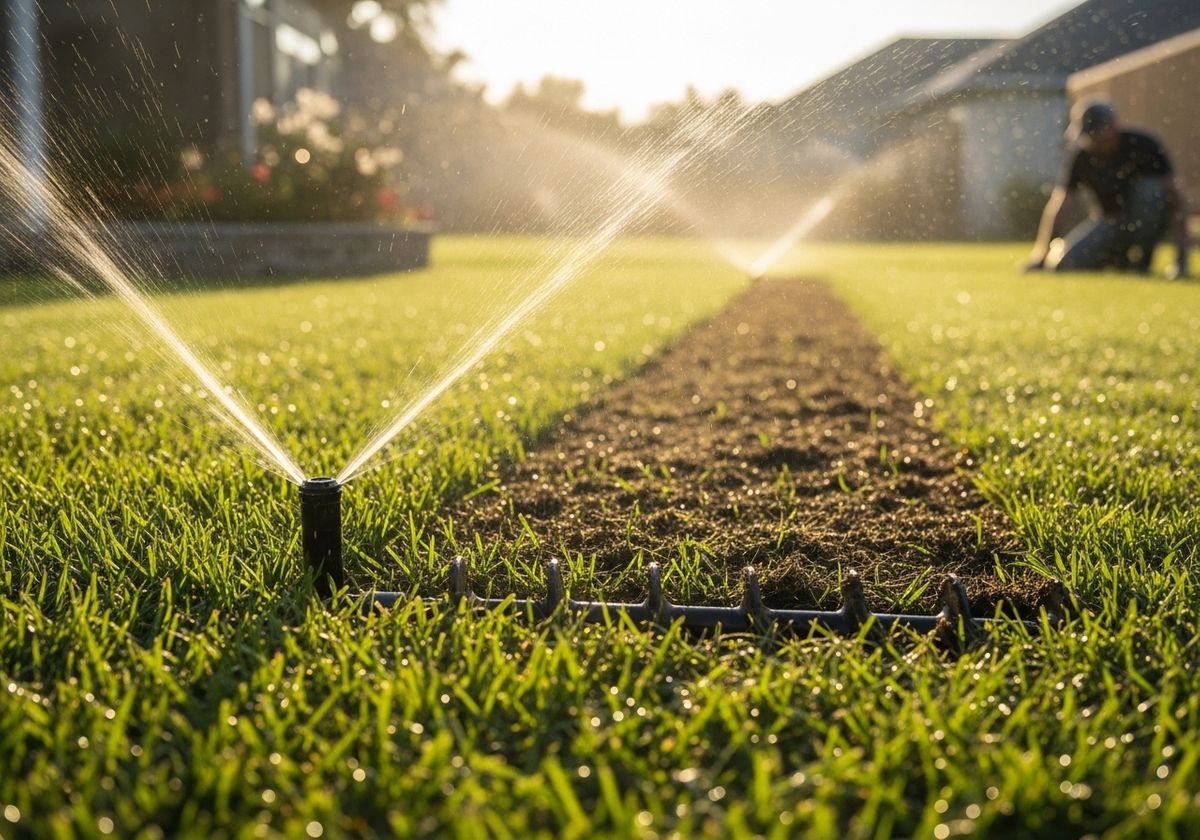
Watering: Water deeply and infrequently, encouraging deep root growth. Early morning is the best time to water to minimize evaporation.
Mowing: Mow regularly at the correct height for your grass type. Avoid removing more than one-third of the grass blade at a time. Keep mower blades sharp for a clean cut.
Fertilizing: Fertilize according to your grass type's needs and the results of a soil test. Use a balanced fertilizer and apply it evenly.
Aerating: Aerate the lawn annually to alleviate soil compaction and improve air and water penetration.
Weed Control: Implement a comprehensive weed control strategy, including pre-emergent herbicides to prevent weed seeds from germinating and post-emergent herbicides to target existing weeds.
Lawn Restoration Techniques
Even with the best care, lawns can sometimes suffer damage from pests, diseases, or environmental factors. When restoration is needed, consider these techniques:
Overseeding: Overseed thin or bare patches with the appropriate grass seed for your lawn type. Ensure good soil contact and keep the area moist until the new grass is established.
Sodding: For more extensive damage, sodding provides an instant lawn. Prepare the soil properly and lay the sod tightly together. Water frequently until the sod is rooted.
Soil Amendment: Improve soil quality by adding compost or other organic matter. This can help improve drainage, nutrient retention, and overall soil health.
Addressing Common Lawn Problems
Be prepared to address common lawn problems promptly to prevent them from escalating. These problems can include:
Pests: Monitor for signs of insect infestations and take appropriate action. Beneficial nematodes can be an effective natural control method.
Diseases: Identify and treat lawn diseases early. Fungicides can help control fungal infections.
Compaction: Aerate regularly to relieve soil compaction and improve drainage.
Conclusion
Effective lawn care and restoration require a combination of knowledge, consistent effort, and the right techniques. Understanding your lawn's specific needs, implementing essential care practices, and addressing problems promptly will contribute to a lush, healthy, and vibrant landscape. TLC Total Lawn Care has been making tall grass short since 1983. We offer customizable packages tailored to your business's specific requirements and budget. Serving North Florida for over 30 years, TLC has developed an outstanding reputation for superior commercial lawn care maintenance, landscapes, and horticultural services. Contact us today to learn more about our services and how we can help you achieve the lawn of your dreams, or visit our website to request a free quote!