
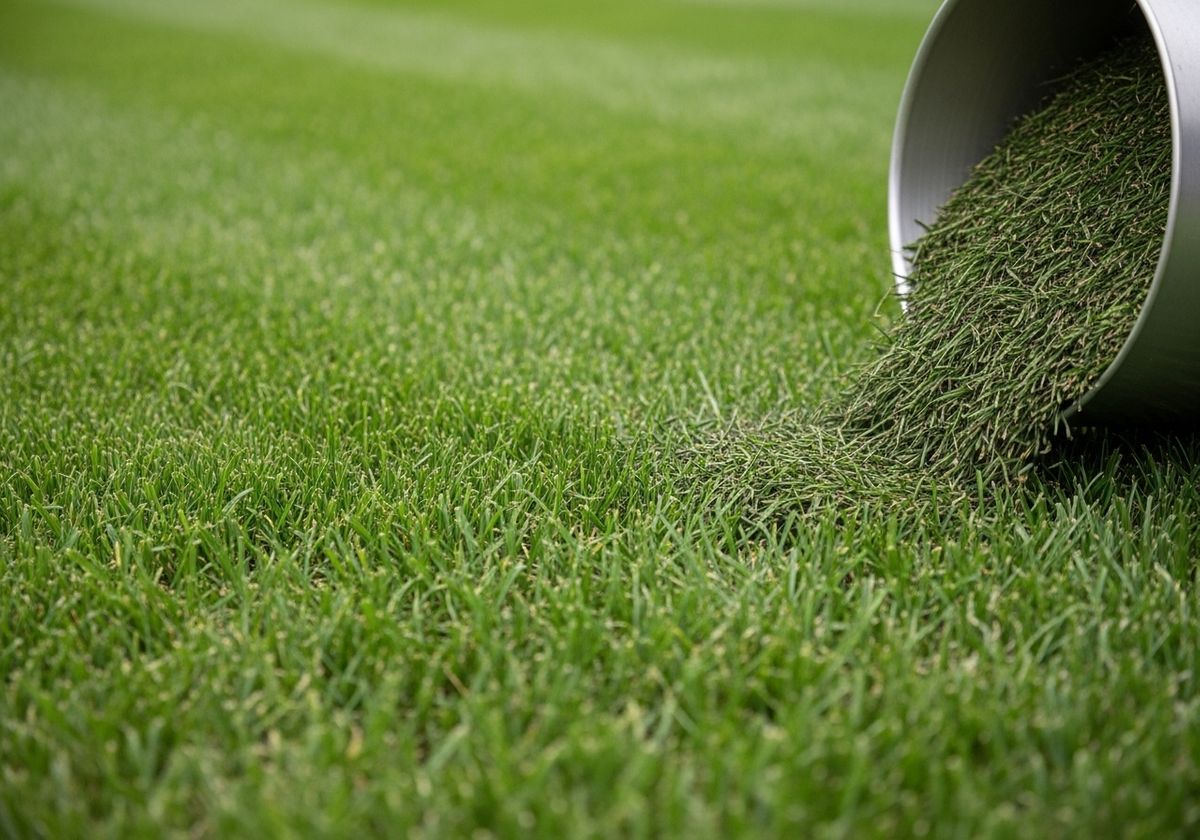
Overseeding is a simple yet effective lawn care practice that can significantly improve the density and appearance of your turf. By adding more grass seed to your existing lawn, you can fill in bare patches, thicken thin areas, and introduce improved grass varieties. This leads to a healthier, more vibrant lawn that's better equipped to resist weeds, pests, and diseases. In this guide, we'll walk you through the process of overseeding, ensuring you achieve a lush, green lawn you can be proud of.
Why Overseed?
Overseeding offers numerous benefits for your lawn:
Thicker Turf: Fills in bare spots and thin areas, creating a denser, more uniform lawn.
Improved Appearance: Enhances the color and texture of your lawn, making it more visually appealing.
Enhanced Disease Resistance: Introduces new grass varieties that are more resistant to common lawn diseases.
Weed Control: A thick, healthy lawn naturally suppresses weed growth by competing for resources.
When to Overseed
The best time to overseed your lawn depends on the type of grass you have. Cool-season grasses like Kentucky bluegrass, fescue, and perennial ryegrass are best overseeded in the fall or early spring. Warm-season grasses like Bermuda, St. Augustine, and Zoysia are best overseeded in the late spring or early summer.
How to Overseed
Follow these steps to successfully overseed your lawn:
Prepare the Lawn: Mow your lawn short and remove any dead grass, leaves, or debris. Rake the area to loosen the soil and create a seedbed.
Choose the Right Seed: Select a grass seed that is appropriate for your climate, soil type, and sun exposure. Consider using a blend of different grass varieties for improved disease resistance and adaptability.
Apply the Seed: Use a spreader to evenly distribute the seed over the area. Follow the manufacturer's recommendations for seeding rates.
Water the Lawn: Water the lawn thoroughly after seeding and keep it consistently moist until the new grass seedlings are established. Avoid overwatering, which can lead to disease.
Fertilize: Apply a starter fertilizer to provide the new grass seedlings with the nutrients they need to grow.
Protect the Seedlings: Keep foot traffic to a minimum and avoid mowing the lawn until the new grass seedlings are at least 3 inches tall.
Maintaining Your Overseeded Lawn
Once the new grass seedlings are established, continue to water, fertilize, and mow your lawn regularly. Over time, the new grass will blend in with the existing turf, creating a thicker, healthier lawn.
Overseeding is a vital practice in maintaining a healthy and vibrant lawn. At TLC Total Lawn Care, with over 30 years of experience serving North Florida since 1983, we understand the unique needs of our local lawns. Our customizable maintenance programs ensure your lawn receives the specific care it needs to thrive. Contact us today to learn more about our commercial lawn care maintenance, landscape, and horticultural services and how we can help you achieve a landscape that means business.