As the temperatures drop and the first snowflakes begin to fall, it's time to shift our focus to winter lawn care. Proper preparation during these colder months is crucial for ensuring a healthy, vibrant lawn come springtime. While TLC Total Lawn Care doesn't directly serve Pennsylvania, our decades of experience in maintaining landscapes in diverse climates have equipped us with knowledge applicable to various regions. Think of us as your guides, providing insights that can help you navigate the winter challenges and set your lawn up for success, embodying our slogan: Landscapes that Mean Business | Since 1983.
Pre-Winter Preparations
Before winter truly sets in, take these essential steps:
Final Mowing: Continue mowing until the grass stops growing. A final cut at the right height (usually around 2 inches) helps prevent snow mold.
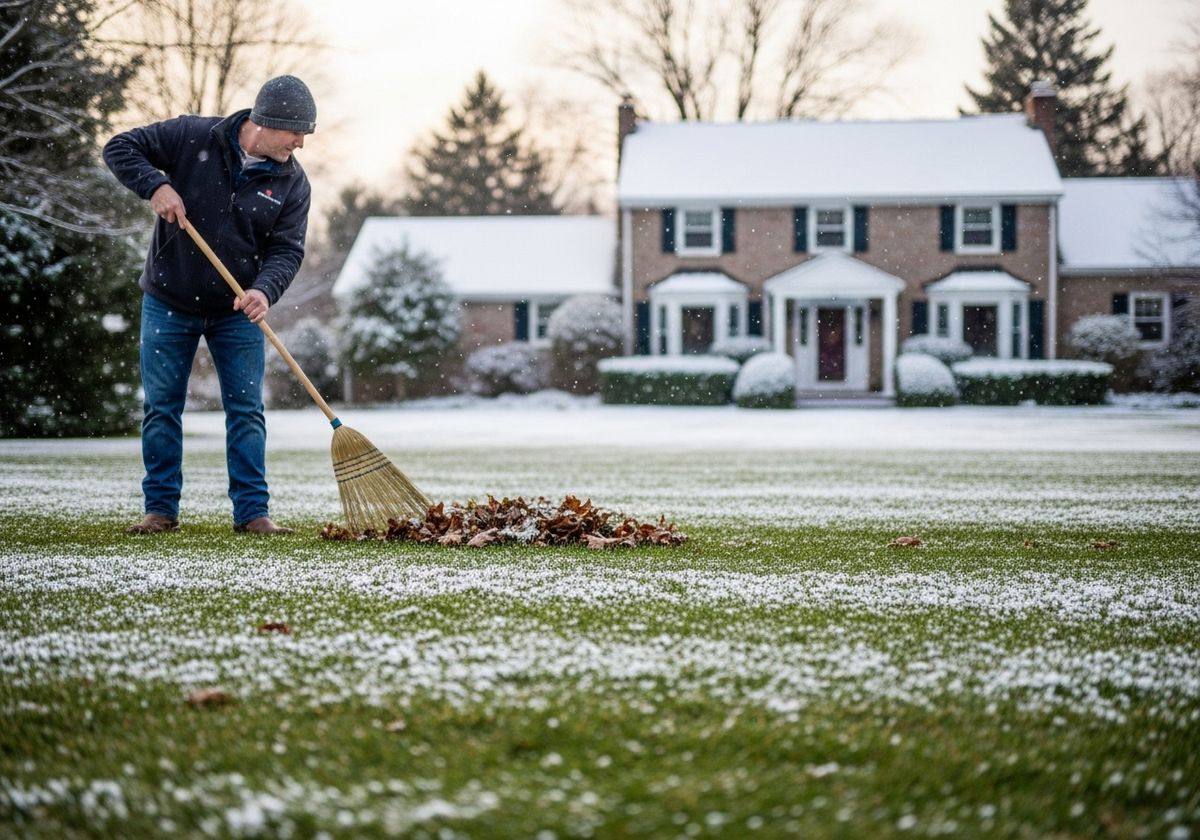
Leaf Removal: Clear fallen leaves promptly. Piles of leaves trap moisture and can suffocate your grass, leading to fungal diseases.
Aeration: Aerate your lawn to alleviate soil compaction, allowing better air and nutrient circulation.
Fertilization: Apply a winterizing fertilizer in late fall. This provides essential nutrients that strengthen the grass and roots throughout the winter.
Managing Snow and Ice
While a blanket of snow can insulate your lawn, heavy ice buildup can be problematic:
Avoid Walking on Frozen Grass: Walking on frozen grass can damage the blades and compact the soil.
Use Salt Sparingly: If you use salt to melt ice on walkways, be mindful of runoff onto your lawn. Excessive salt can harm your grass.
Break Up Heavy Ice: If a thick layer of ice forms, gently break it up to allow air to reach the grass.
Winter Lawn Diseases
Be vigilant for signs of winter lawn diseases, such as snow mold:
Snow Mold: This fungal disease appears as circular, discolored patches after the snow melts. Improve air circulation and avoid excessive nitrogen fertilization to prevent it.
Planning for Spring
Winter is an excellent time to plan for spring lawn care:
Soil Testing: Conduct a soil test to determine nutrient deficiencies and pH imbalances. This will guide your fertilization strategy in the spring.
Overseeding: If you have thin or bare spots, consider overseeding in the spring to improve lawn density.
Equipment Maintenance: Service your lawnmower and other equipment to ensure they are ready for the spring season.
Taking proactive steps to care for your lawn during the winter will pay dividends in the spring. Just as TLC Total Lawn Care develops custom-tailored maintenance programs for our commercial clients in North Florida, you can create a personalized plan for your Pennsylvania lawn. Remember, a little effort now can lead to a healthier, more beautiful lawn in the months to come. Contact your local lawn care professional for specific advice tailored to your region's climate and soil conditions. Consider this an invitation to explore how TLC Total Lawn Care's dedication to quality and ongoing training programs can translate into superior lawn care practices, even if you're not in our immediate service area. We encourage you to learn more about our approach to landscape solutions and discover how our values align with your lawn care goals.