After a bug infestation, restoring your lawn can seem like a daunting task. From damaged grass to weakened roots, the aftermath can leave your yard looking less than its best. However, with the right approach and a bit of patience, you can bring your lawn back to its lush and healthy state. TLC Total Lawn Care understands the challenges homeowners face in maintaining beautiful lawns, and we're here to provide expert guidance. Serving North Florida since 1983, we've seen it all and know what it takes to restore your lawn to its former glory.
Assessing the Damage
The first step in restoring your lawn is to assess the extent of the damage. Look for these signs:
Dead or Dying Grass: Check for areas where the grass is brown, dry, or easily pulls up from the soil.
Thin Patches: Notice any spots where the grass has thinned out significantly.
Visible Bug Activity: Although the infestation may be over, look for lingering signs of bugs or their larvae.
Soil Condition: Check the soil for dryness, compaction, or any unusual textures.
Once you have a clear understanding of the damage, you can create a targeted restoration plan.
Preparing the Soil
Healthy soil is the foundation of a healthy lawn. Before you start reseeding or repairing damaged areas, prepare the soil with these steps:
Remove Debris: Clear away any dead grass, leaves, or other debris from the affected areas.
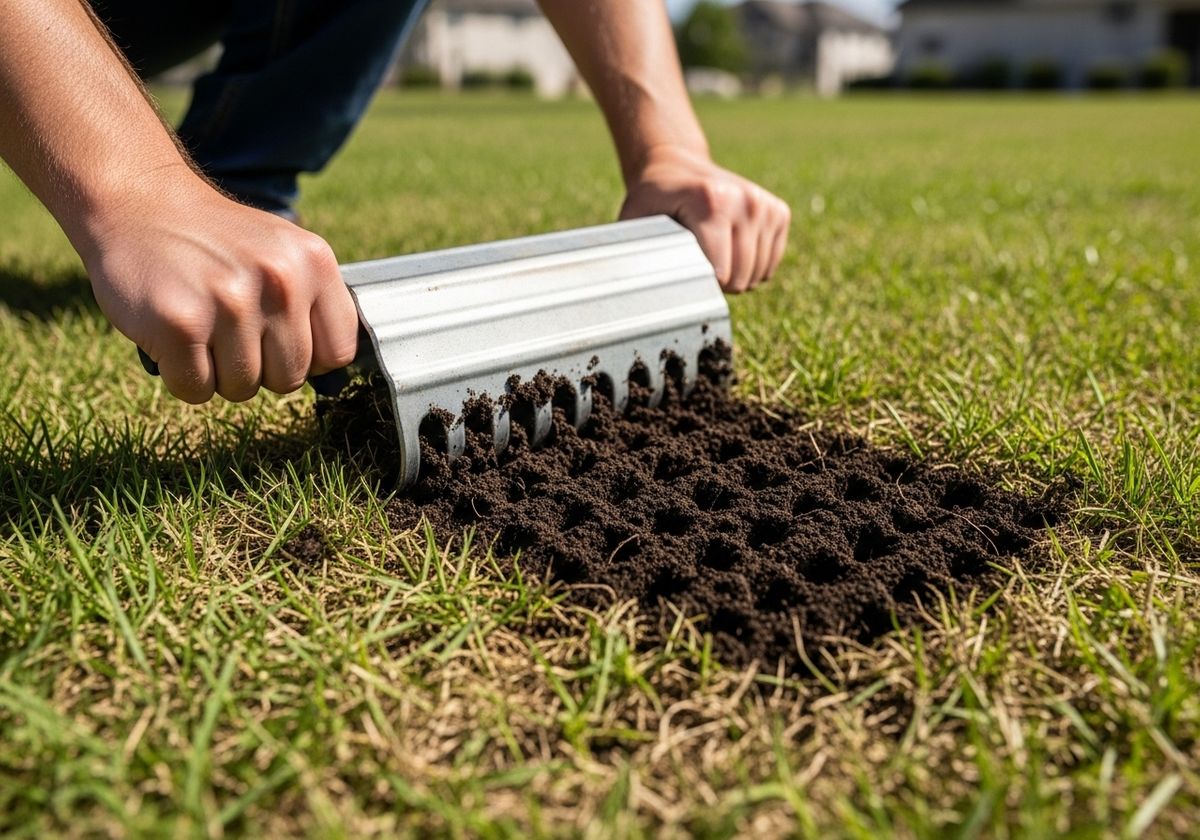
Aerate the Soil: Aeration helps to improve soil drainage and allows nutrients to reach the grass roots more effectively. You can use a manual aerator or rent a power aerator for larger areas.
Amend the Soil: Add compost or other organic matter to enrich the soil and improve its structure. This will provide a better growing environment for new grass.
Reseeding or Patching
Depending on the extent of the damage, you may need to reseed or patch affected areas. Here's how:
Choose the Right Grass Seed: Select a grass seed that is appropriate for your climate and soil conditions. Consider factors such as sun exposure, shade tolerance, and water requirements.
Sow the Seeds: Spread the grass seed evenly over the prepared soil. Follow the instructions on the seed package for the recommended seeding rate.
Cover the Seeds: Lightly cover the seeds with a thin layer of topsoil or peat moss. This will help to protect the seeds and keep them moist.
Water Regularly: Keep the soil consistently moist until the new grass seedlings have established. Water gently to avoid washing away the seeds.
Fertilizing and Weed Control
After reseeding, it's important to provide the new grass with the nutrients it needs to thrive. Use a slow-release fertilizer to promote healthy growth. Be careful not to over-fertilize, as this can burn the new grass.
Weed control is also essential. Apply a pre-emergent herbicide to prevent weeds from germinating. If weeds do appear, remove them by hand or use a selective herbicide that is safe for your grass type.
Ongoing Maintenance
Restoring your lawn is an ongoing process. Continue to mow, water, and fertilize your lawn regularly to keep it healthy and strong. Monitor your lawn for any signs of new bug infestations or other problems, and take action promptly to prevent further damage.
Restoring a lawn after a bug infestation requires careful assessment, soil preparation, reseeding, and ongoing maintenance. TLC Total Lawn Care's mission is to lead the industry in providing profitable landscape solutions. Since 1983, TLC Total Lawn Care has been committed to providing landscapes that mean business. Contact us today to learn more about our services and how we can help you maintain a beautiful, healthy lawn. Check out our website to view our service offerings!